’In Your House’ (1980) from Seventeen Seconds
Like many of The Cure’s best songs, the bass is often just as striking if not more than the lead guitar. Seventeen Seconds’ ‘In Your House’ is no different, driven by a monotonous but strangely graceful bass line that only accentuates the repetition of Robert Smith’s lyrics. They are characteristically surreal, distorting the mundane and familiar through mushroom trip atmospherics: “I change the time in your house / The hours I take / Go so slow.” ‘In Your House’ sounds stuck in a suburban purgatory – a kind of mildewy white wall gloam – with its resolution pleasingly unsatisfactory. The song doesn’t take the listener anywhere particularly revelatory, but there’s something in its steady groove that is alluring and intriguing.
Lottie Brazier
‘The Drowning Man’ (1981) from Faith
Faith‘s spare, uneasy tension as an album – especially as a complement to the blasting rage of the subsequent Pornography – can be summarised by just about any individual song on it. ‘The Drowning Man’ is a perfect example. Drawing lyrically from Mervyn Peake’s Gormenghast books, specifically the fraught mental state and accidental death of the character Fuschia and the reaction of her devastated brother Titus, Robert Smith’s anguished vocal rises and fades into distances like air bubbles in murky water, his skittering guitar and the spare rhythm section work of Simon Gallup and Lol Tolhurst an audio portrait of utter desolation. Smith’s wordless keening and cries hidden in deep echo in the background just increases the feeling of black sorrow.
Ned Raggett
‘All Cats Are Grey’ (1982) from Faith
“Death is life. It is only living that is lifeless.” The shadow of author and illustrator Mervyn Peake – particularly his ominous, mournful Gormenghast trilogy – looms long over The Cure’s third studio album. While only one song, ‘The Drowning Man’, quotes Peake directly, the entire album is haunted by the same spirit of airless wonder, at once vast and claustrophobic. Blanketed in subterranean synths and driven by a reverberating drum track that sounds like Lol Tolhurst whacking juice bottles in a well, ‘All Cats Are Grey’ feels like the sonic equivalent of some ancient cave system; hollow, labyrinthine and filled with echoes.
Tom Huddleston
‘Splintered In Her Head’ (1981) b-side to ‘Charlotte Sometimes’
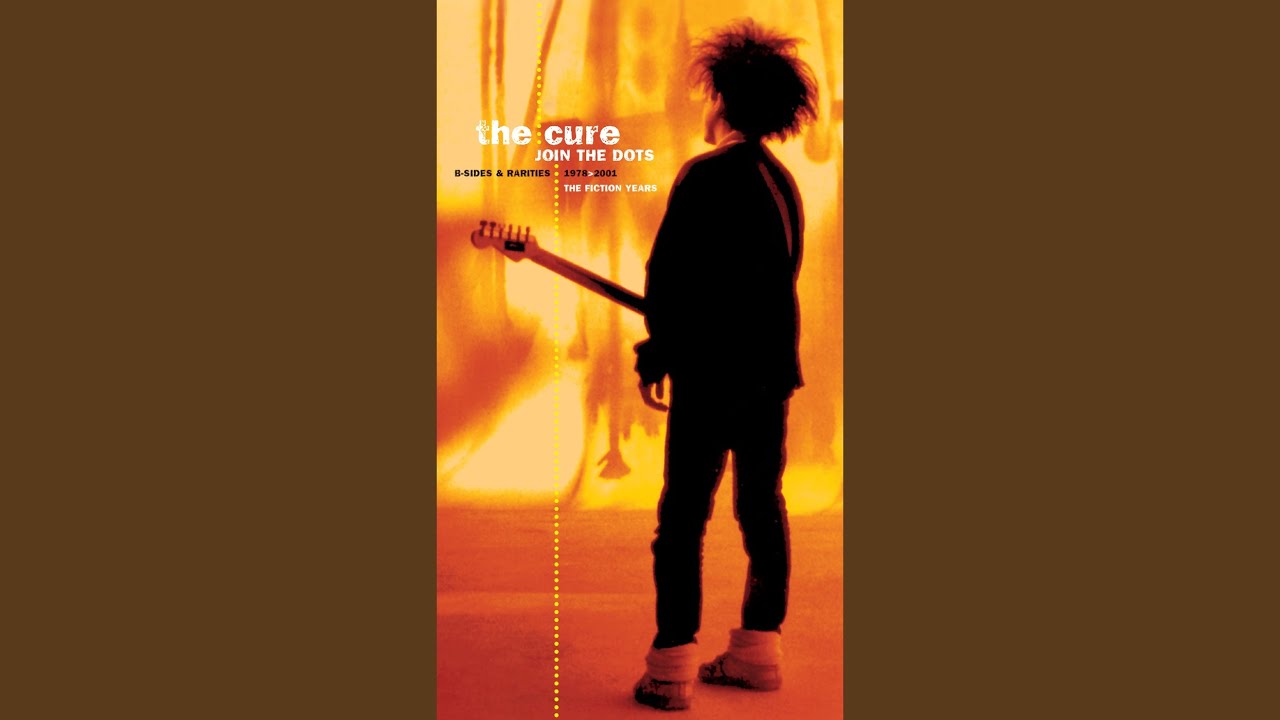
I own a cassette version of Standing On A Beach, which contains the absolutely priceless Unavailable B-sides. Listening to those b-sides again opened up an entire world of possibility that once allowed independent bands to literally explore hidden worlds on the flipside of their releases. Recorded as the b-side to the magnificent non-album single ‘Charlotte Sometimes’, ‘Splintered In Her Head’ is one of The Cure’s most ominous tracks – a brooding six minutes of murderous clank and a prime example of the band’s prowess during its formative years. Its seething discontent is sonically allied to the bleakness of recently disbanded Joy Division, but the lyrics are Robert Smith at his harrowing best: “Shape is still asleep with toys/
As tall as men the pictures in hallway turning inside/ Whispers unseen jumping against the sky/
Slipping away, he looks for the last time.”
Kevin Mccaighy
‘One Hundred Years’ (1982) from Pornography
After the skeletal grey of Faith, ‘One Hundred Years’ – the opening track on its follow-up Pornography – is a blazing red psychedelic assault on the senses, its queasily relentless riff like a migraine storm surge. “It doesn’t matter if we all die,” wails Smith, his voice a study in controlled hysteria. Full of frightening non-sequiturs, it’s the sound of the world bleeding into your head and vice versa. Moving from resignation to disgust to white hot fury at the pointlessness of everything, this is an astonishingly powerful track, and a reminder that music can be dangerous magic.
Joe Banks
’A Short Term Effect’ (1982) from Pornography
Taken from Pornography, one of The Cure’s most impenetrably dense albums, ‘A Short Term Effect’ is about the passing of time, or the lack of it, or the distortion of it. It just seems to drag on and on despite being only 4 minutes and 23 seconds long. And so The Cure take the state of boredom and make a gothic art out of it, Smith colouring the band’s songs with an observationist, existentialist bent from the very beginning – all starting with that tap drip drip dripping on ‘10:15 Saturday Night’. ‘A Short Term Effect’ is a block of noise and it resists picking apart: swamped in reverse tape effects, echoing piano fadeouts and of course, a pounding bass line very high up in the mix indeed. Like the album cover, it’s a hugely incoherent, blurry, tricky song which seems to somehow hang together as a ‘mood’ – it shouldn’t work, but it does.
Lottie Brazier
’The Exploding Boy’ (1985) b-side of ‘In Between Days’
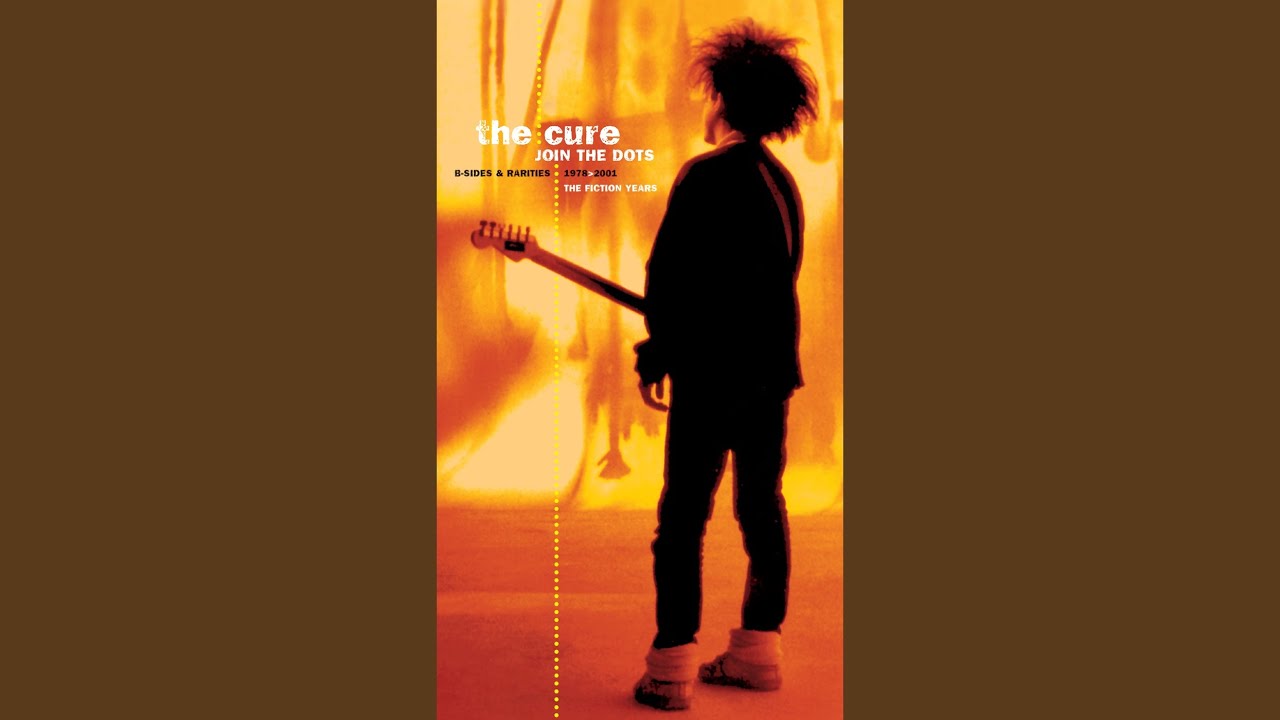
We’d been circling each other for a while, The Cure and I. Occasional singles cropping up on compilations like ‘Charlotte Sometimes’ on Modern Dance, through to ‘The Love Cats’ on the first Now album, via the New Orderness of ‘The Walk’ placed incongruously on K-Tel’s shonky Headline Hits. Even when I did get around to buying one of their singles, it was ‘The Caterpillar’ as an ex-chart reduction which was marvellous but ‘Two Tribes’ and ‘Thieves Like Us’ were taking up my attention more. So when ‘In Between Days’ came out, that was when I officially fell hard for them. Absorbing all the b-sides and developing something of an obsession as I wore out The Head On The Door. ‘The Exploding Boy’ was devoured as much as the a-side. Enough that I can still visualise turning into Montgomery Road and walking home from high school for the very last time with, “You talked until your tongue fell out and then you talked some more” rattling around my head. The palpable joy of a band enjoying themselves that seemed to radiate and speak to me, almost bridging my past innocence and then-uncertain what next. But I knew from then on, The Cure had finally hooked me in for life.
Ian Wade
‘The Baby Screams’ (1985) from The Head On The Door
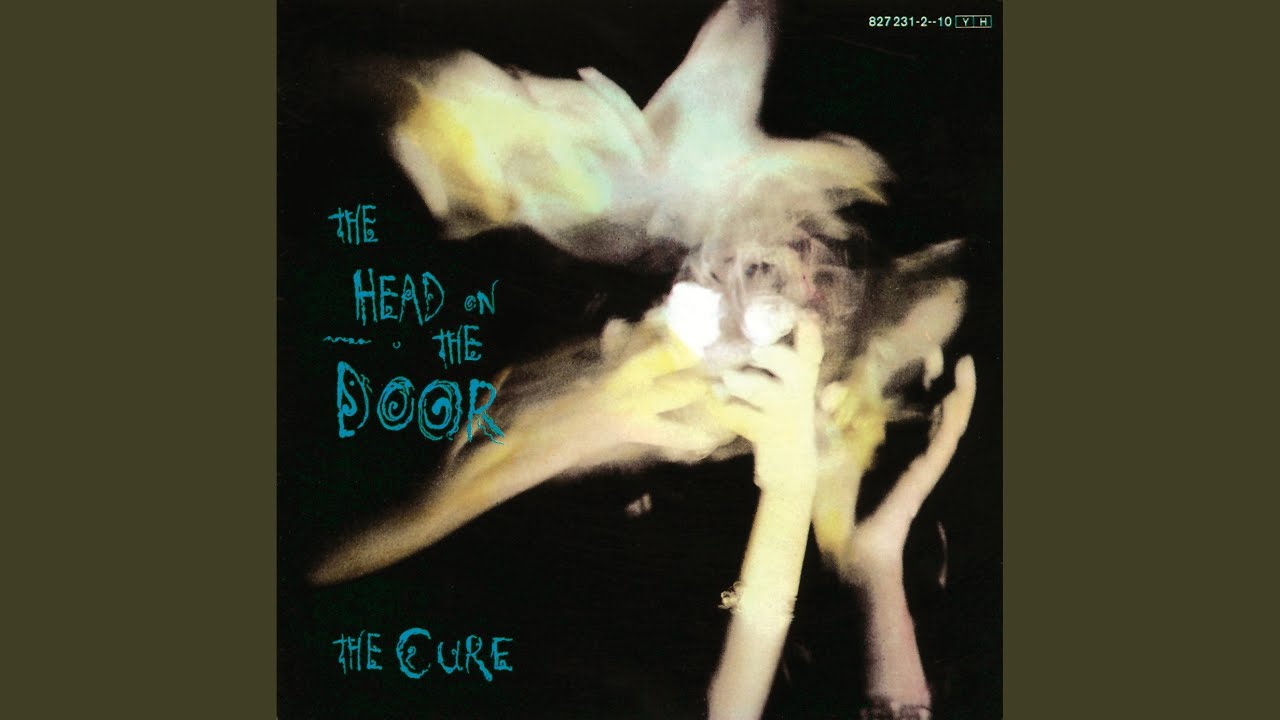
Brisk, self-confident about its obscurantism, The Head On The Door distilled a half decade’s experiments in limning misery and flirting with flirting. In 1985, Robert Smith discovered that these obsessions weren’t a binary. ‘The Baby Screams’ didn’t need the sequencer: this Side Two barnstormer could easily have begun with its faster bass/drum variant on ‘A Forest’, nor did it need the drum machine chasing Boris Williams’ pattern. But “not needing” and “these discrete sounds deserve each other” is a line that pop music must blur; the density of the arrangement overcomes the high romantic luridness of Smith’s lyrics. “Strike me, strike me, dead” and “Heaven, give me a sign” sound more desperate when a guitar’s going apeshit on one speaker.
Alfred Soto
’New Day’ (1985) from Quadpus/ Half An Octopuss EP
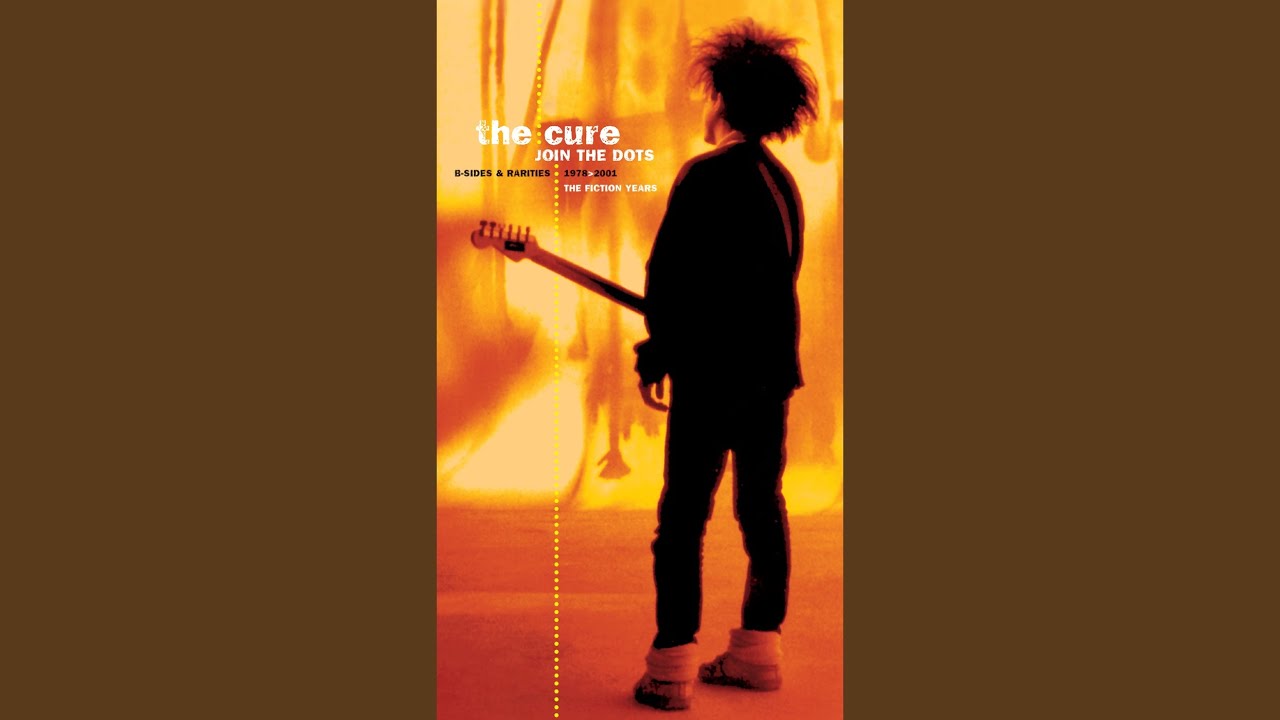
Bar a French-pressing of Imagination’s ‘Just An Illusion’ during a school trip to Boulonge, Quadpus was probably the first import I ever bought. I was now nuts for The Cure’s back catalogue and wanted to grab everything they’d ever released. I’d seen it in The Cure section of Ipswich’s Andy Records, and while I thought it was a bit cheekily priced, the cover won me over. While at first I was just into the sheer dense demented howl of it, over the years I’ve realised that ‘New Day’ is actually quite druggily sexy, and just pure romantic poetry. “In Heaven the ground is waiting for the dust, the seed, my love once more.” Although it would probably put me off if I was to actually have sex or do drugs to it. Discovering that Robert Smith collapsed and was hospitalised after recording it hardly helps the mood to be honest. It also became ingrained in me, as did every track on that – let’s not mince words here – iconic cassette version of Standing On A Beach which even after been knocked into a cake mix, was a constant throughout 1986.
Ian Wade
How Beautiful You Are’ (1987) from Kiss Me, Kiss Me, Kiss Me
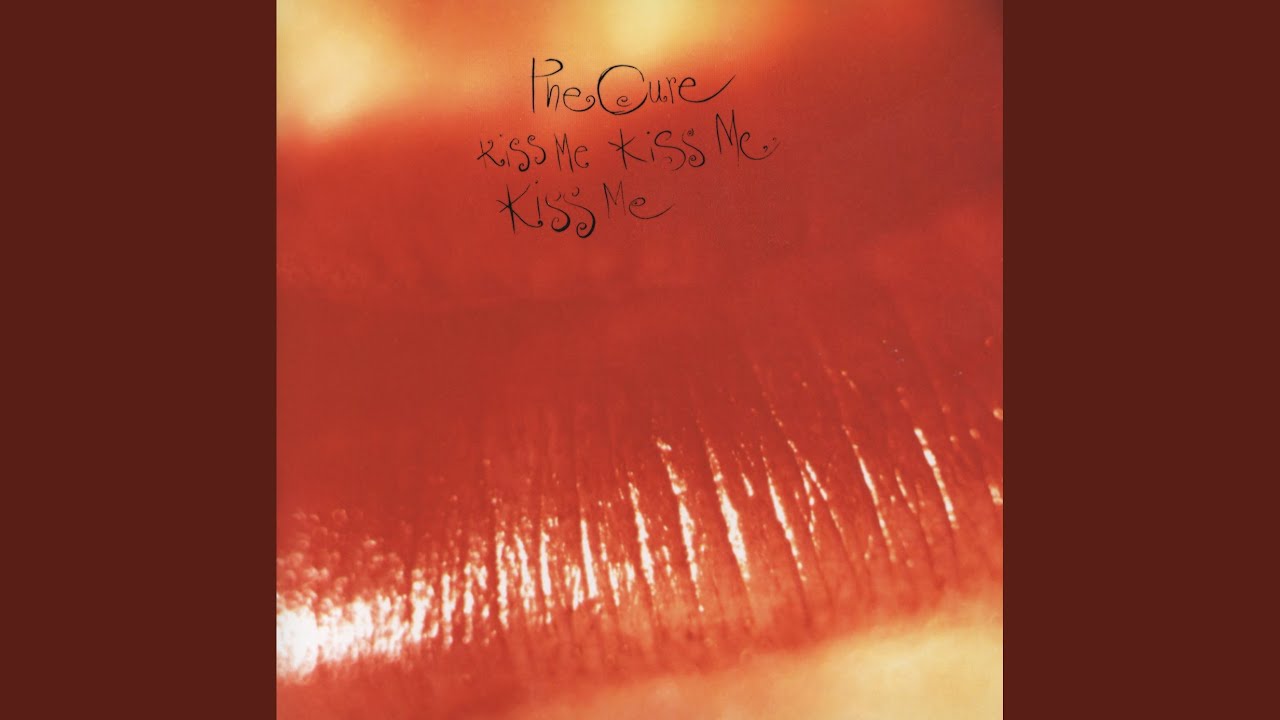
Unusually literate for a rock star who works two modes, Robert Smith based this Kiss Me, Kiss Me, Kiss Me album track on a Baudelaire prose poem about a man who watches his female lover treat beggars like shit. Smith doesn’t change the words much; his job is emphasis, accretion. “You want to know why I hate you? Well, I’ll try to explain,” he shrieks a minute in, delighted that he’s suited to the task. The usual Cure tropes (rain, tears, hate disguised as love because why not) get toughened with a thick Simon Gallup bass line and a sampled accordion backdrop redolent of boulevadier sophistication (that year, Bryan Ferry rummaged through the same closet). Elegant, poised, venom-dipped, ‘How Beautiful You Are’ pointed the way to 1989’s ‘Lovesong’, which reduced the contempt to love but kept the stately Euro-fied arrangement.
Alfred Soto
‘The Same Deep Water As You’ (1989) from Disintegration
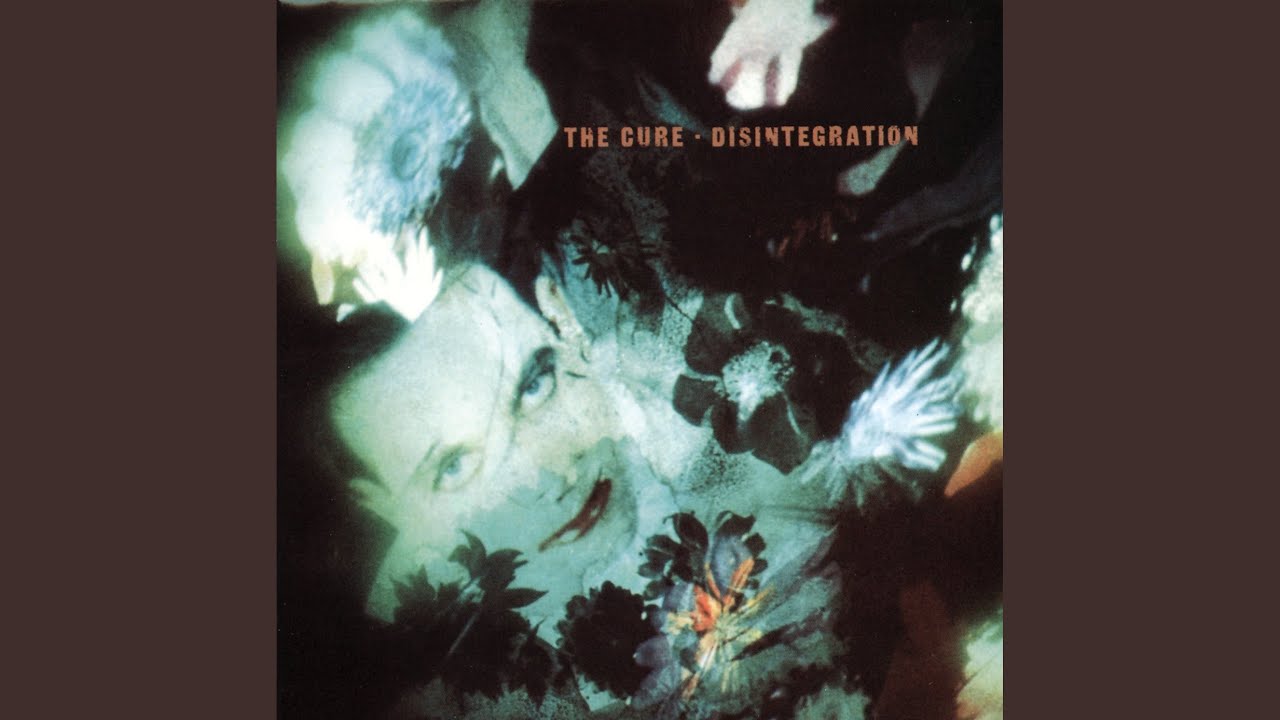
The languid, elemental anchor of their 1989 masterwork Disintegration, ‘The Same Deep Water As You’ has always been one of my most treasured tracks. It has been with me for thirty years, a constant, ever-present exemplar of a beloved band at the peak of their formidable power. Yet it has no nostalgic hold and is not tied to specific personal memory: listening to it unmoors me from such preoccupations, allowing me to concentrate on its grandiose, unwinding shape for all of its precious nine minute running time. To simply lie within its vast interlocking, unfurling melodies, and their beautiful evocations is to be out of time and in that other place, that other state of being, where music truly inhabits you, allowing you to recognise how long it has been with you. Somehow, after all this time, it manages to sum everything up.
Kevin Mccaighy
‘Harold And Joe’ (1990) b-side of Never Enough
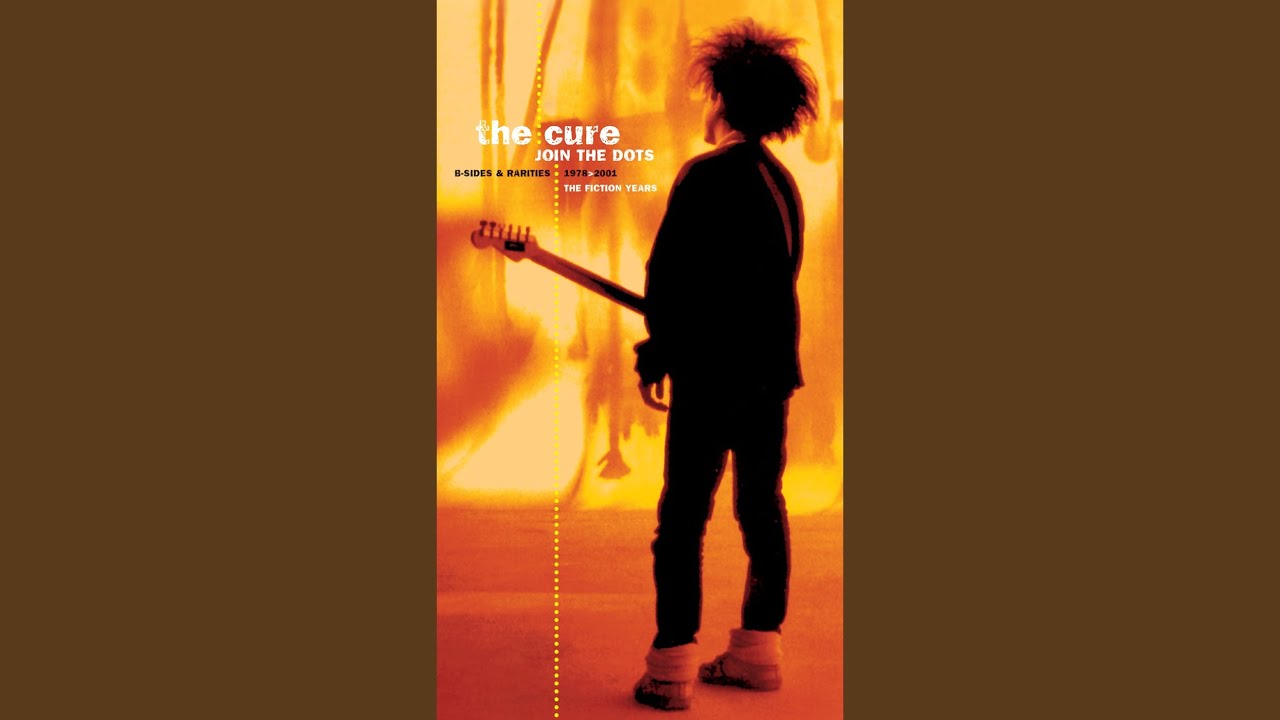
The Cure go baggy? Well, it was 1990. Taking inspiration from their forthcoming Mixed Up LP, in which the band’s back catalogue was blandly reassembled for the indie dancefloor, The Cure quietly unleashed their grooviest number ever. Coming on like a pop-goth ‘Wrote For Luck’ complete with bloopy synths and programmed drums, ‘Harold And Joe’ should’ve been awful. But somehow it’s completely lovely, a lolloping ray of psychedelic sunshine complete with self-mocking lyrics, parping horns, disco breakdown and hilariously tuneless whistling solo.
Tom Huddleston
‘From The Edge Of The Deep Green Sea’ (1992) from Wish
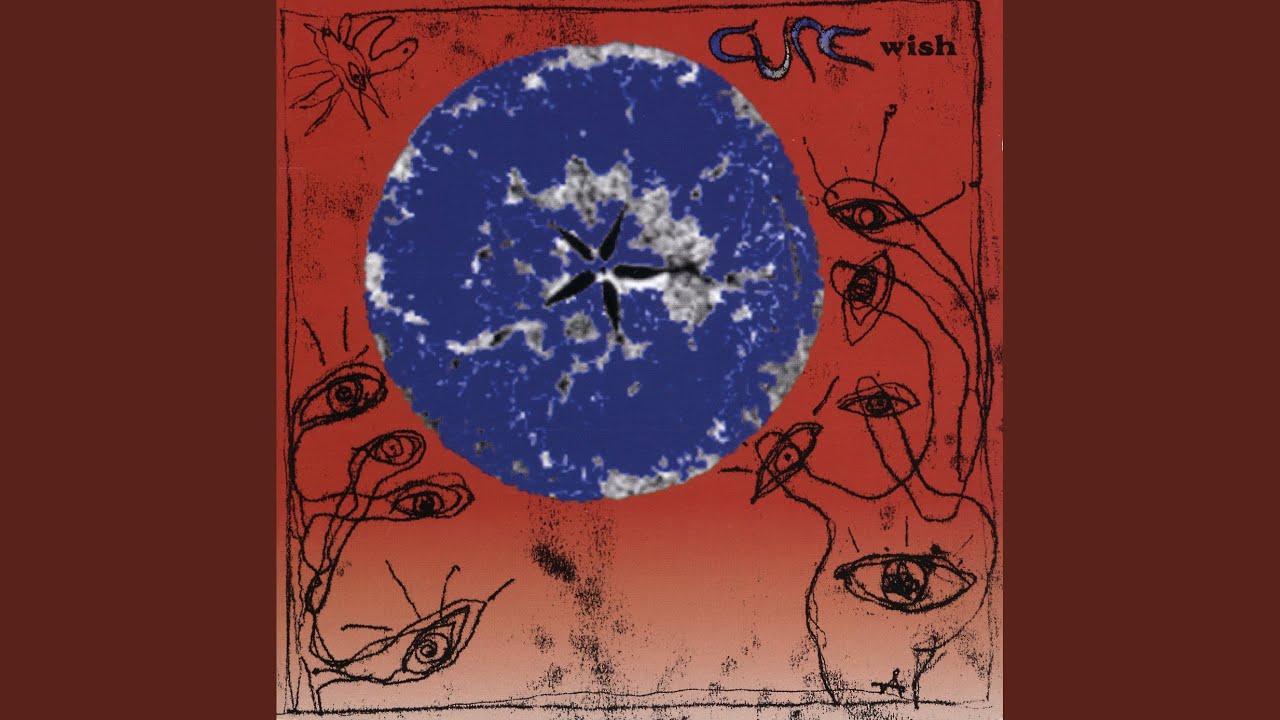
Wish followed the monolithic majesty of Disintegration with a partial return to the back and forth extremes of Kiss Me Kiss Me Kiss Me, meaning the album with ‘Friday I’m In Love’ on it had something like its complete opposite in this song. ‘From The Edge Of The Deep Green Sea’ was yet another of Robert Smith’s lyrical portraits of water and depths framed by emotional extremity – think ‘The Drowning Man’, ‘Sinking’ or ‘The Same Deep Water As You’ among others – but scaled for the arenas the band found itself playing. Boris Williams’ powerhouse drumming, Simon Gallup’s focused bass and Roger O’Donnell’s nervous, persistent piano part all form part of the whole, but it’s Perry Bamonte and Smith’s layered, crashing guitars driving the song towards a crescendo, then pulling back before finally exploding into a queasy rampage.
Ned Raggett
’Doing the Unstuck’ (1992) from Wish
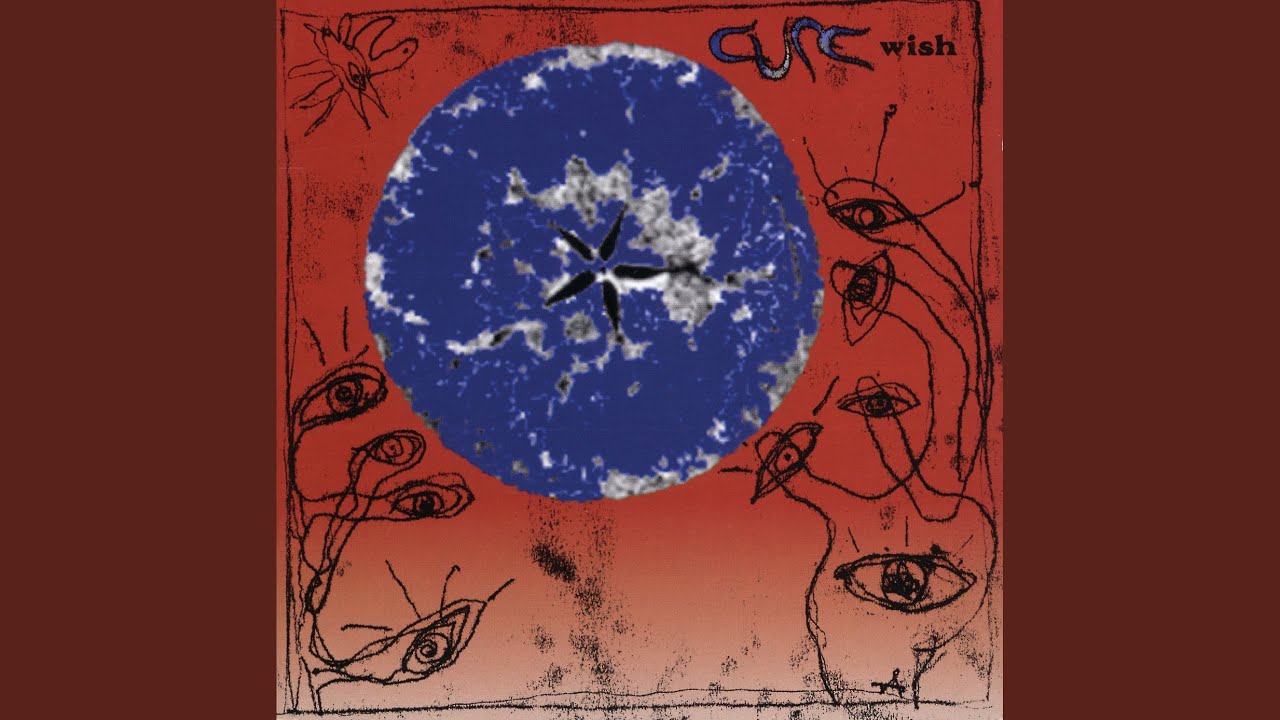
About as long as Disintegration but blessed with The Head On The Door’s range of moods, genre experiments, and gonzoid guitar stylings, Wish still gets short shrift for drawing a grin in thick aqua blue crayon on Robert Smith’s obsessions—as if his wild mood swings didn’t encompass a joy as gorgeously stupid as obsession! ‘Doing The Unstuck’ isn’t even about sex: it describes a perfect day for making out. Sex is easy; good kissing is hard. Smith and Porl Thompson’s guitars, sticky with lip gloss, conjure love in the afternoon and bare limbs in tall grass. And Smith’s growl ranks among his most charming moments.
Alfred Soto
‘Burn’ (1994) from The Crow
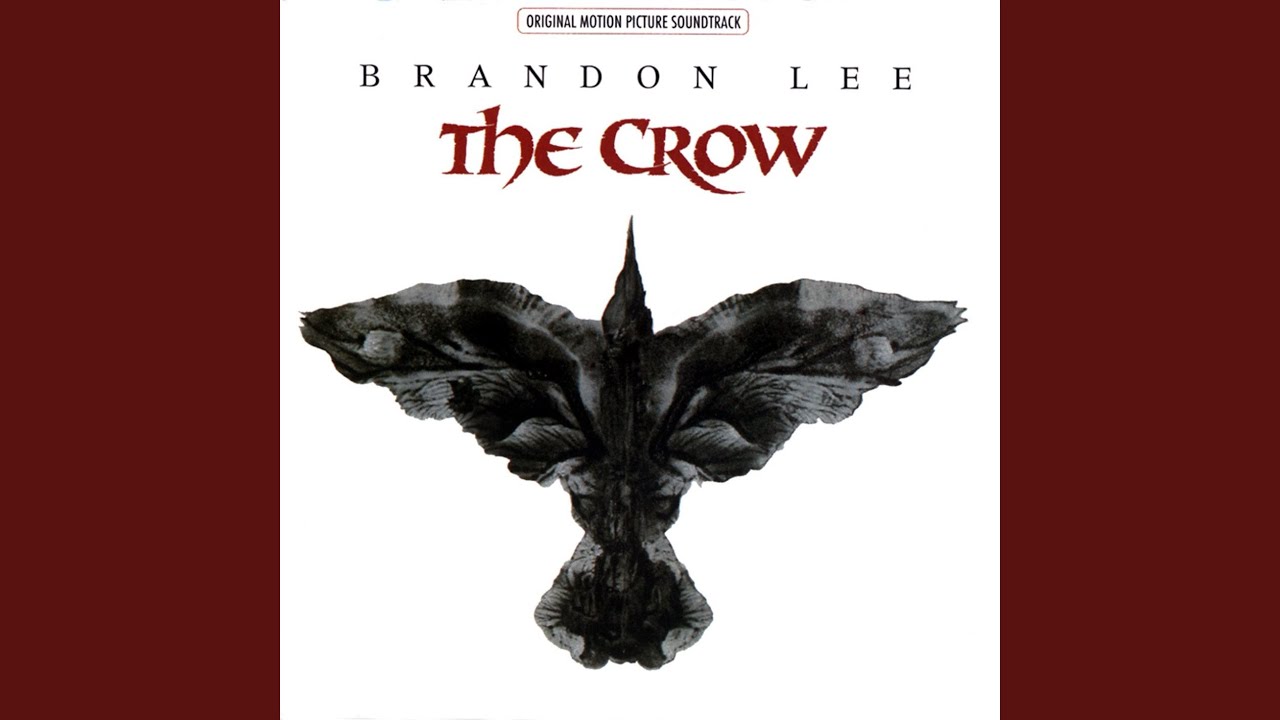
It emerges from seeming depths as so many Cure songs had done, something murmuring and rumbling, Boris Williams in his final turn as a member going out with a drum part at once complex, responsive and powerful. But with Robert Smith adding in flutes as well, calling back to such strange, unusual songs as The Top‘s ‘Wailing Wall’, things are even more intriguing. James O’Barr’s cult independent comic The Crow had a lead character clearly visually inspired by Smith’s look, and when the film adaptation occurred, Smith returned the favor with a dark jewel of a song that led off its soundtrack. Majestic and nervously uneasy at the same time, shuddering, heavily treated guitars and electronics set against the main chorus melody, Smith’s lyrics match the romantic supernatural melodrama of the source material to a T. The band finally started playing it live in recent years, and it fits in beautifully with all their other classics.
Ned Raggett
‘Want’ (1996) from Wild Mood Swings
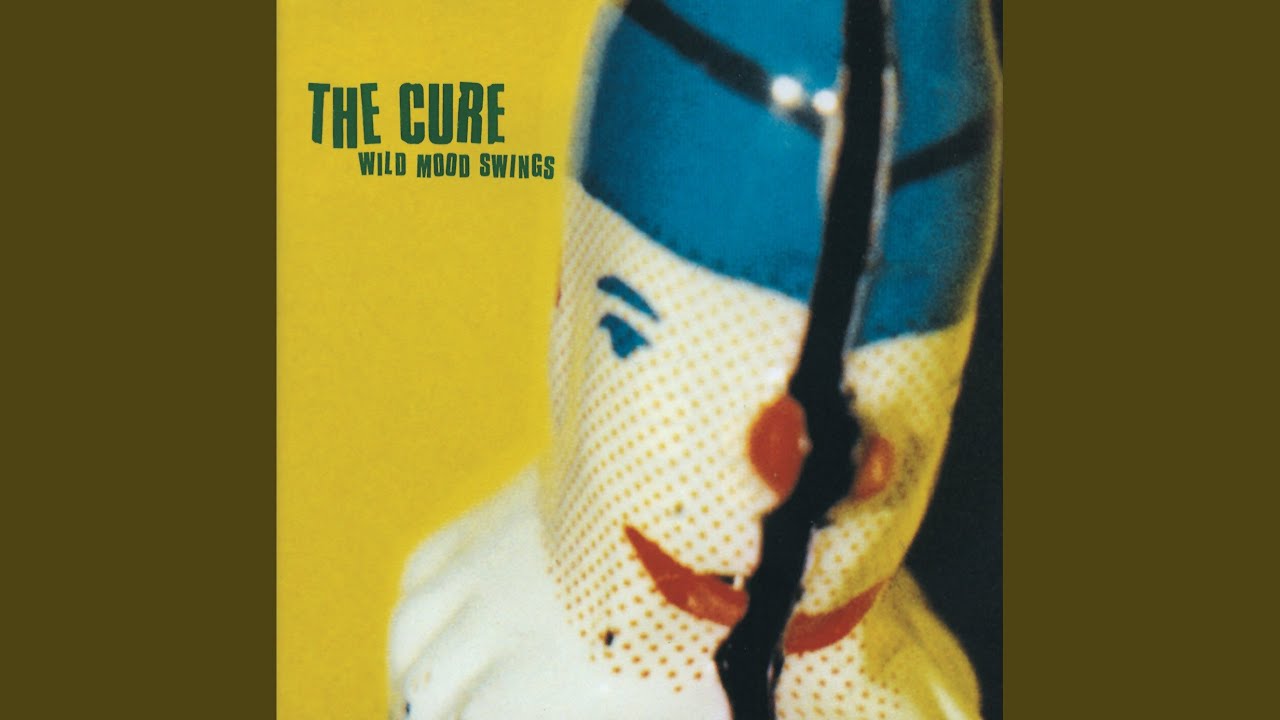
Woefully misunderstood both then and now, Wild Mood Swings isn’t the album that fans reach for. Intermittently cheery, downright funky in spots, and bizarrely sequenced, the deferred follow-up to their massively successful goth pop full-length Wish was met with a certain amount of horror. Why Robert Smith chose to make Latin lounge number ‘The 13th’ its lead single remains one of modern rock’s most perverse mysteries, and it no doubt contributed to perceptions of him as an unintentionally comic figure. Nonetheless, those willfully weird enough to ride the album’s choppy waves more than once no doubt found the opener ‘Want’ very much in line with the band’s prior material. Its sonics assuredly informed by the expansive live performances of Show and Paris, the song churns and soars to match its thematic excess, something most dream pop seemed too shy to reach for. In true sex, drugs, and rock & roll fashion, Smith howls for more more more, yet he does so in a swirl of dread and confusion. The unlikeliest of rock stars takes to gluttony and hedonism while loathing and writhing all the while. Ultimately, ‘Want’ suffered from the jolly jinxes of ‘The 13th’, ‘Mint Car’ and ‘Strange Attraction’, and perhaps that was the point.
Gary Suarez
‘Spilt Milk’ (2000) from the Bloodflowers sessions
It’s somehow a perfect testimony to the willful (yet still ultimately wonderful) creative perversity of The Cure that one of Robert Smith’s all time greatest lyrics is found on one of the band’s most obscure songs. Recorded during the Bloodflowers sessions but only available as a bonus Internet-only track for that album, uncollected on the extensive Join The Dots set and otherwise resolutely unreleased in any form almost twenty years later at the time of writing, ‘Spilt Milk’ found Smith’s narrative voice grappling with choices and roads not taken. It’s all the more strong for never fully resolving, a sense of confidence balanced against lines like "Sometimes I wonder if I’m putting off my real life" and "Every day I let slide is one more day I never try." The music forms a lovely, melancholic (even for The Cure!) counterpoint, energetic on the one hand, with a bubbly Roger O’Donnell keyboard figure and brisk Jason Cooper drum part, yet ultimately winding to a sorrowful chorus that sounds like an overwhelming regret.
Ned Raggett
‘The Kiss’ (live, 2002) from Trilogy
The Cure spent their first couple of years away from longtime home Fiction Records regrouping a bit, as well as starting their irregular series of album-performance concerts with a triple slambang of Pornography, Disintegration and Bloodflowers staged in Berlin. Released on DVD as Trilogy, the often gripping performances were almost overshadowed by a killer two song encore that was also included, drawing on Kiss Me Kiss Me Kiss Me. "The Kiss," the brutal, glowering opening song for that album, was already extreme enough in its slow-burn guitar build and portrayal of an utter love-hate situation; the Trilogy version has Smith going even more crazy on guitar, the band creating a steadily more oppressive-yet-beautiful backing build. By the time Smith’s vocals finally kick in – and especially later when he adds a wholly new wail to finish off the lyric – the concert really IS over, because where else could one go?
Ned Raggett
‘Us Or Them’ (2004) from The Cure
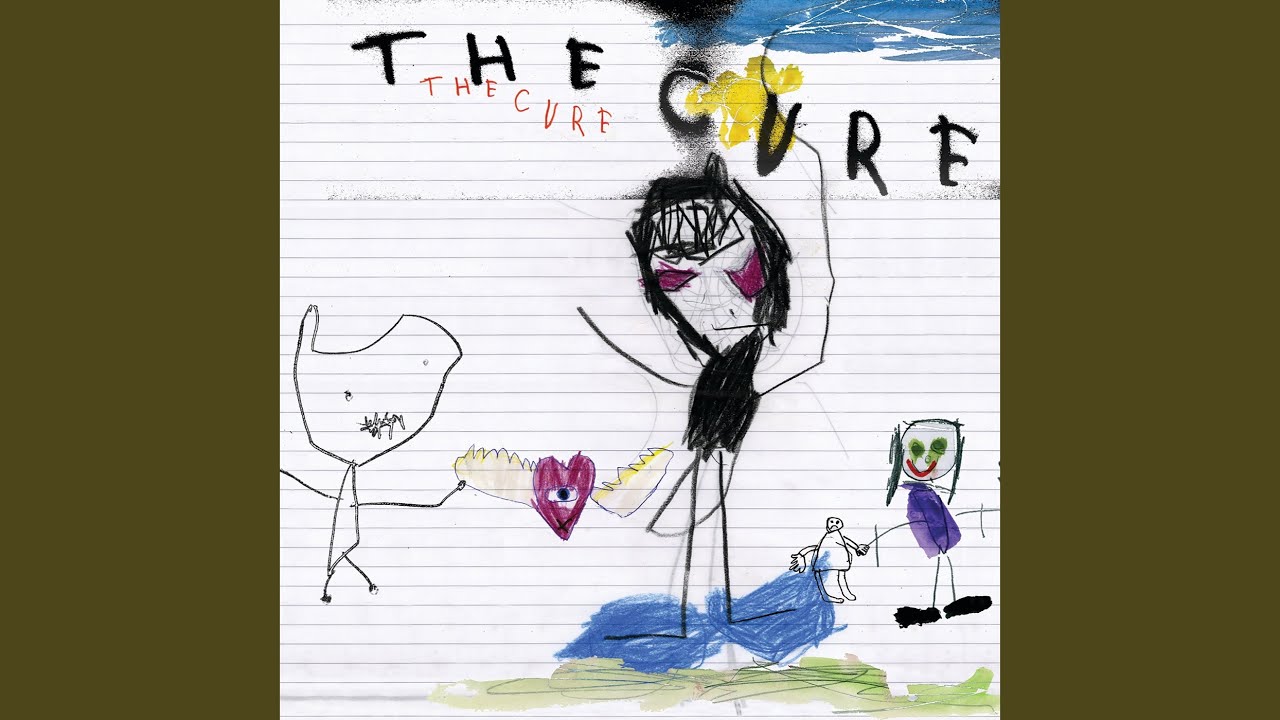
For their twelfth studio album, The Cure hooked up with nu-metal producer du jour Ross Robinson. Under Robinson’s duress, Robert Smith was soon rapping about vengeance and pussy, Simon Gallup had crammed his gothic quiff under a baseball cap, and keyboardist Roger O’Donnell was replaced with turntable whizzkid Uncle Kracker. Only kidding! As its defiantly eponymous title indicated, 2004’s The Cure sounded very much like The Cure. From the existential dirge of ‘Lost’ to poppier ditties like ‘The End Of The World’, it was as if The Cure had attempted a best-of compilation consisting of entirely new songs. There was one track, however, on which the band stretched their metal muscles with cathartic results. A furiously appalled reaction to the post-9/11 ‘war on terror’, ‘Us Or Them’ finds Smith in an unusually sweary, shouty and directly political mood while the band riff and scrawl away with a menace made all the more potent by an awareness of its own desperate futility. Just as Bush and Blair’s foreign policies have been the global clusterfuck that keeps on giving, the song has retained its relevance as humanity continues to succumb to its self-destructively tribal tendencies. "I don’t need your us or them."
JR Moores
‘It’s Over’ (2008) from 4:13 Dream
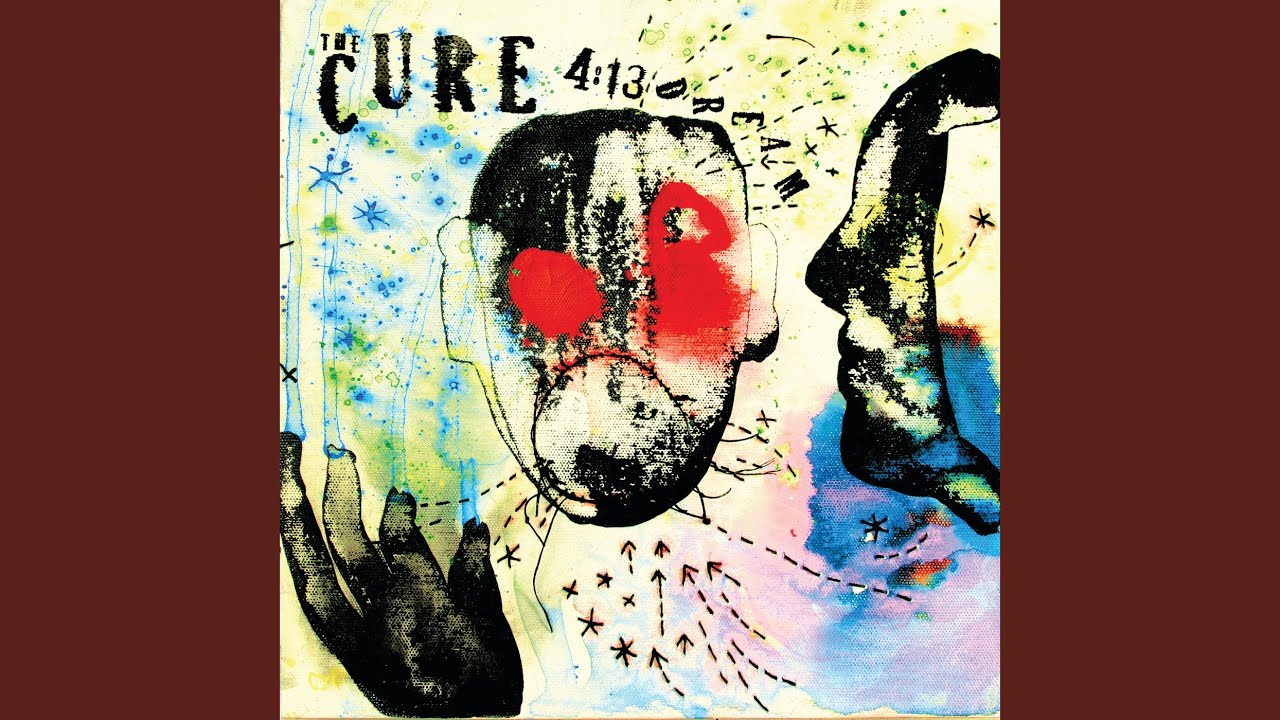
The Cure toured America in 2008 a couple of months before the release of 4:13 Dream, and when this four-piece keyboardless version of the group, featuring guitarist Porl (now Pearl) Thompson in one last turn as a member, busted out this then-unavailable song it felt like being pinned back against the venue wall, it was so explosively powerful. The studio version can’t quite capture that feeling by default, but as the final song on that album, as well as Thompson’s concomitant final bow in studio, ‘It’s Over’ lives up to its name pretty darn well. It’s one of the band’s blunter songs musically, focused on a crunching central riff and further layers of guitar from Thompson and Robert Smith that just seem to keep building. Smith uses his effective trick of sometimes starting a lyric halfway through a song and a portrait of romantic confusion and regret comes spilling out even as the guitars pile on further.
Ned Raggett
The Cure play this year’s Roskilde Festival in Denmark on 6th July 2019. For more information, visit the festival website