


Spacemen 3 were never about flashy solos or instant pop hooks. “One chord best, two chords cool, three chords okay, four chords average.” Their music is hypnotic, meditative, and intensely immersive. They blended restraint, repetition, and raw emotion. It demands you listen but rewards your patience. From the droning, blistering immediacy of Sound Of Confusion to the widescreen, psychedelic layers of Recurring, the band reshaped what it meant to create space, intensity, and trance in British guitar music. Listening to them is an act of surrender; the reward is a world that still feels radical, urgent, and completely alive today.
This summer marks the fortieth anniversary of the release of their debut LP, Sound Of Confusion, making this the perfect moment to engage or to re-engage with their legacy. The anniversary shines a light on a band that mastered the art of doing more with less; their way is minimal arrangement for maximal atmosphere, and a commitment to sonic exploration that has influenced generations of musicians across shoegaze, space rock, drone, and more.
This feature distils Spacemen 3’s sprawling catalogue into ten entry points: a carefully curated mix of iconic tracks. Each song acts as a lens into the band’s evolving sound and philosophy, showing how they combined repetition, feedback, and hypnotic textures to make music that is both meditative and ecstatic. For those who want to go further, the companion top-20 playlist digs deeper, unearthing hidden gems and curveballs that reveal the experimentation and adventurous spirit at the heart of Spacemen 3.
Spacemen 3’s music continues to captivate. Despite the band’s ultimately sad demise, the creative sparks of Pete Kember and Jason Pierce live on through projects like Spiritualized, Sonic Boom, Spectrum, and E.A.R., leaving a remarkable musical legacy. Yet there’s something about Spacemen 3 that keeps drawing listeners back, decades on, into their strange, beautiful, and unforgettable sonic world.
‘Walking With Jesus’ from The Perfect Prescription (1987)
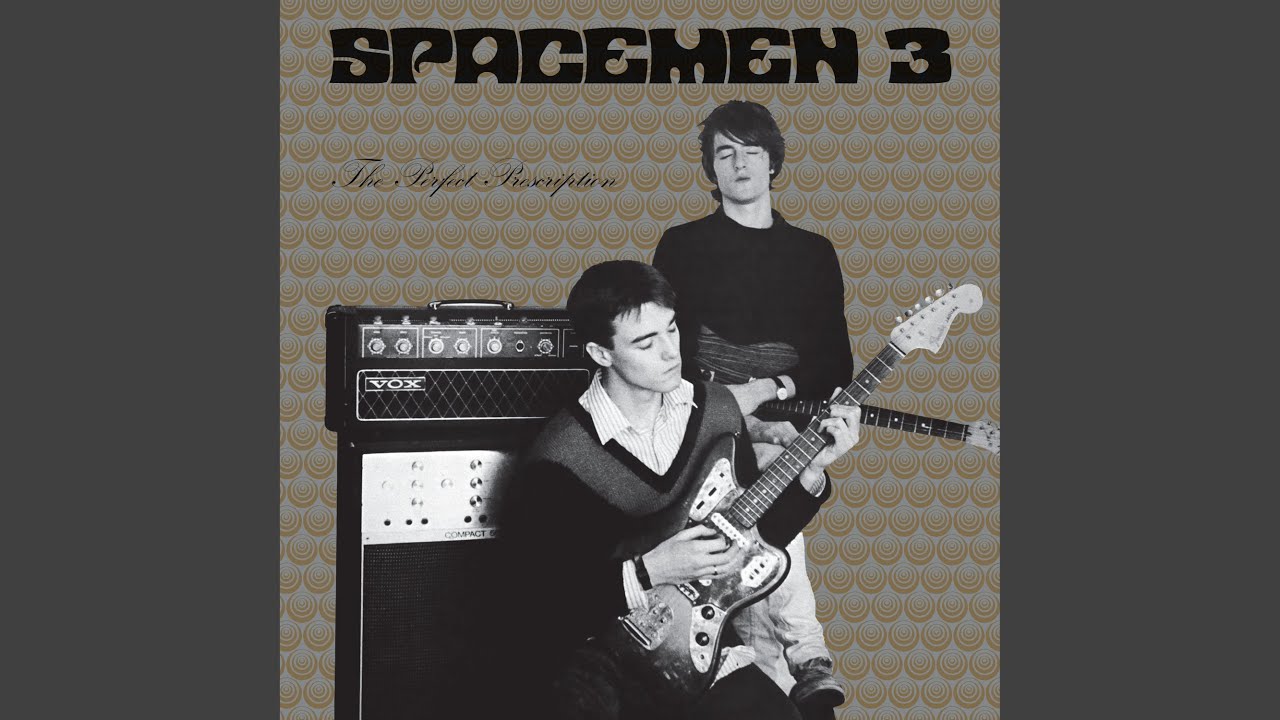
‘Walking With Jesus’ is the spiritual and emotional centre of Spacemen 3. Its chiming acoustics and devotional simplicity show how minimalism can feel monumental. There’s no excess; just repetition, space, and belief. That restraint is inspirational – the confidence to let a song breathe; to let a mantra carry the weight. It is a lesson in purity of intent, and a reminder that music doesn’t have to be loud and chaotic to be transcendent.
Pete Kember: We recorded this song several times, and even titled our first LP after it, even though the song was not on that record. This more acoustic version is my favourite.
‘Ode to Street Hassle’ from The Perfect Prescription (1987)
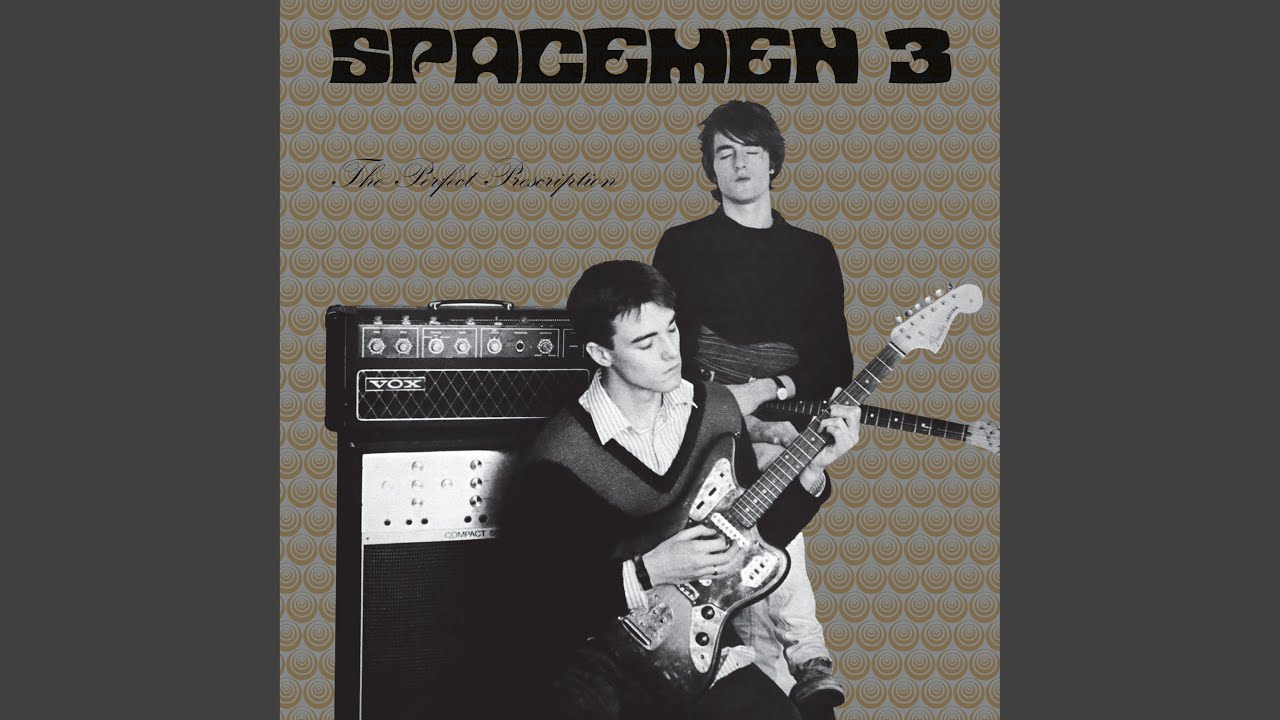
‘Ode To Street Hassle’ stands out for its patience and atmosphere. It unfolds slowly and hypnotically, paying homage while asserting its own identity. The band stretches mood into narrative, proving that influence can be transformation rather than just imitation. It is wise to be wary of the idea that imitation is the highest form of flattery, particularly in art and design, where originality is a higher currency than reverence. But in music, when it’s done like this, from the heart and without calculation, imitation becomes conversation rather than copy. It feels less like borrowing and more like devotion, closer to sampling in hip hop than simple cut-and-paste.
PK: As it says on the can, this song was our response and tribute to Lou Reed’s stunning ‘Street Hassle’ song. Still a favourite of mine.
‘Transparent Radiation’ from The Perfect Prescription (1987)
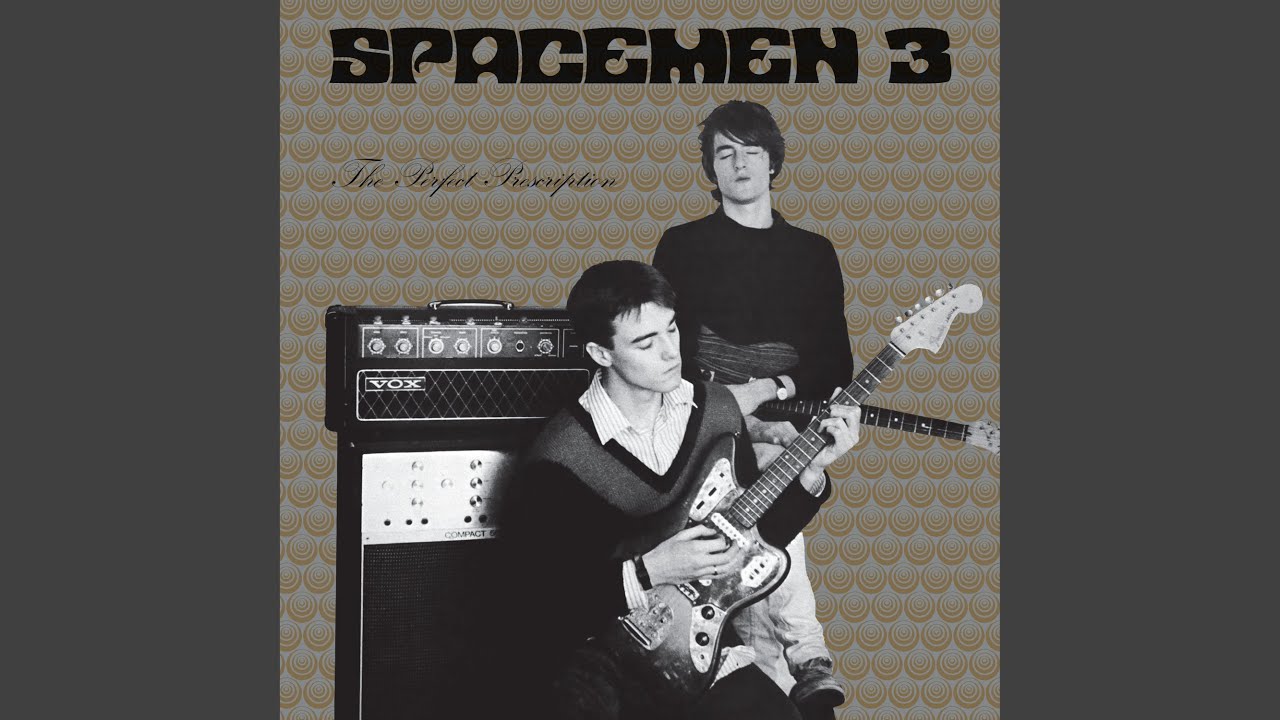
A drifting, weightless groove defines ‘Transparent Radiation’, encouraging a detachment and sense of suspension. There is something unique in the way it trades urgency for atmosphere, capturing the band at a turning point, embracing space and texture. It is more proof that reinterpretation can unlock entirely new dimensions of a song, especially when arrangement becomes the focus.
PK: This song was originally written & recorded by Mayo Thompson of the Red Crayola. When I first heard the song, I knew it would work well with Spacemen 3, as we were moving into a more chilled-out vibe on our second LP. Owen John’s violin took it to another level.
‘Revolution’ from Playing With Fire (1989)
‘Revolution’ is pure propulsion, with a locked groove that feels both relentless and euphoric, with admirable discipline. A single riff, driven hard, becomes something ecstatic. Repeat. Repeat. Repeat. It bridged their raw live energy with their growing experimental leanings.
PK: On Playing With Fire, we were looking to integrate the more experimental mood pieces with a slimmed-down version of our heavier live sound. ‘Revolution’ became a keystone on that LP.
‘Honey’ from Playing With Fire (1989)
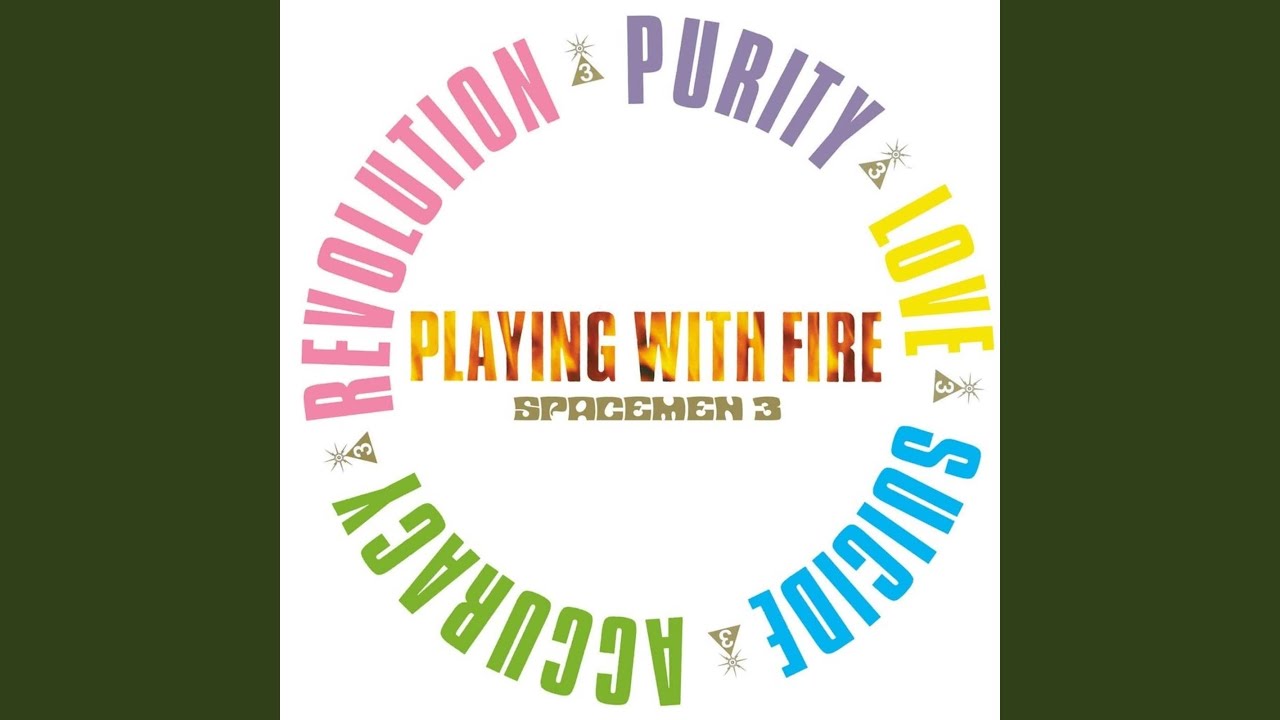
‘Honey’s structural playfulness is magnetic. It bends pop logic without ever quite breaking it; shifting moods while still feeling cohesive. There’s a sweetness there too, but also a slight sense of dislocation, a subtle streak of experimentation running beneath the melody. It’s something Pete Kember has clearly leaned into in his recent solo work and in his collaborations with Panda Bear.
PK: I remember being especially pleased when I wrote this song. I was very influenced by the bootlegs of The Beach Boys SMiLE LP, which uses a strange songwriting technique of dislocated verses and choruses, often flipping between two different songs within one song. My recently purchased Vox Starstream is all over this LP.
‘Lord Can You Hear Me?’ from Playing With Fire (1989)
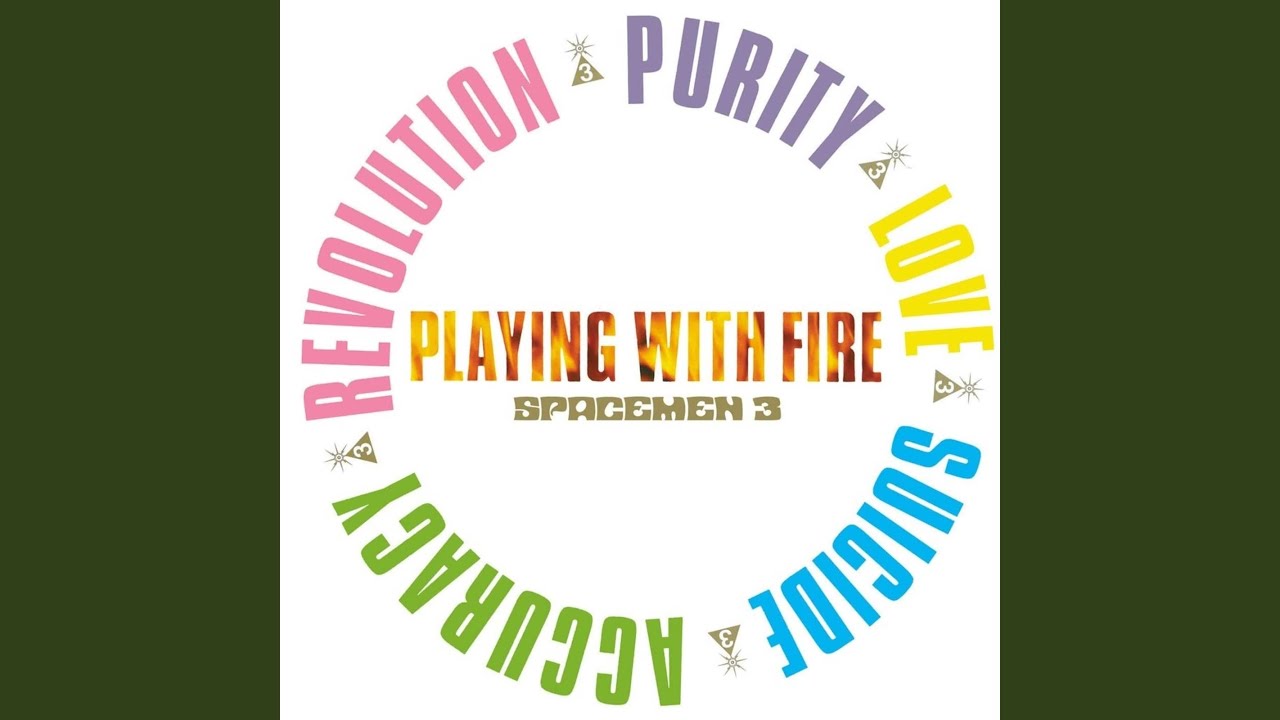
This is where devotion and drone collide most powerfully. ‘Lord Can You Hear Me?’ strips everything back to pure yearning and repetition. It turns gospel into something stark and modern. Its emotional directness feels almost confrontational in its vulnerability, and that’s what makes it so affecting. It shows that spiritual themes can be reframed in an entirely new sonic language.
PK: One of Jason’s great moments from this LP. I think this is the point where people acknowledged that we had mined a new vein of gospel. Not country gospel, not blues gospel, not R&B gospel, but a new form.
‘Losing Touch With My Mind’ from Taking Drugs To Make Music To take Drugs To (1990)
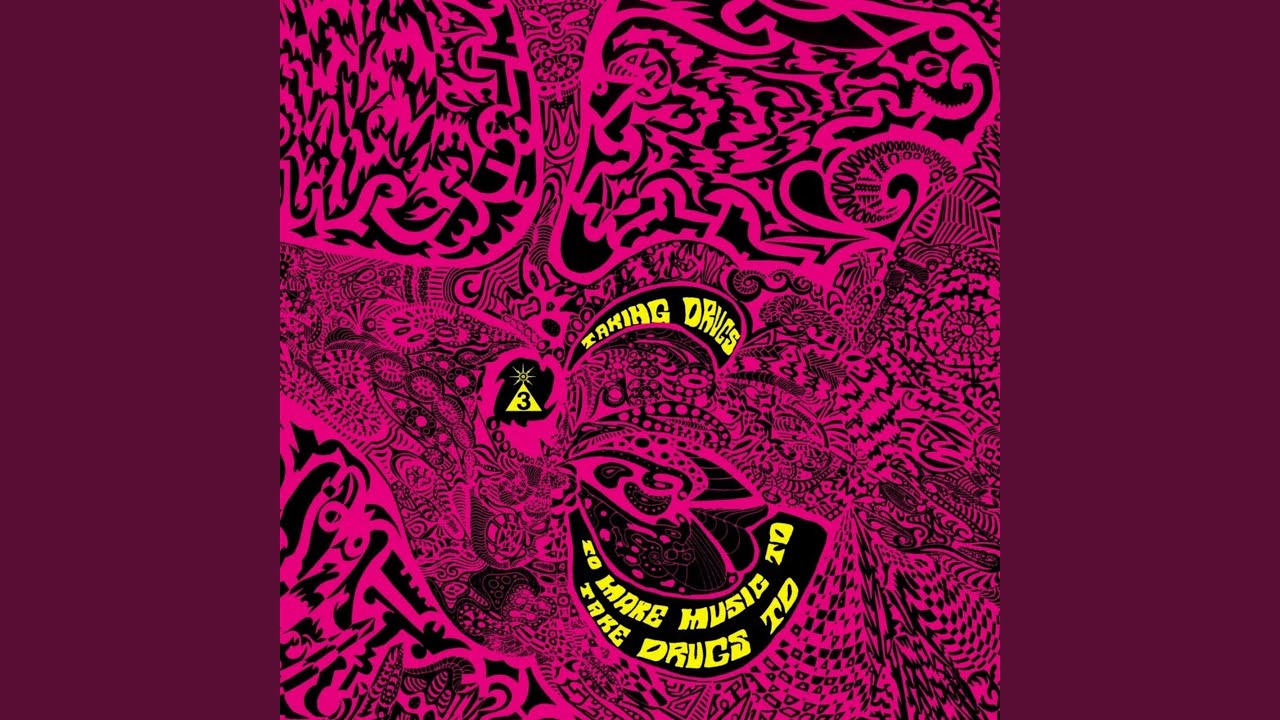
Who doesn’t love a blast of garage-rock? ‘Losing Touch With My Mind’ captures the band’s raw beginnings with an almost reckless abandon. You can still hear the hunger in the way they attack every line. The vocals have a mixture of frustration and exhilaration. That youthful drive contrasts beautifully with their later restraint. The bassline surges and swings, grounding the distortion in a groove that somehow keeps the chaos in line. And then there are the lyrics. I’ve always loved them. Blunt, candid, and defiantly self-aware. A reminder that vulnerability can be just as compelling as swagger. It shows how far you can push a sound without losing its pulse.
PK: This was one of the first complete songs I wrote. I was trying to channel The Rolling Stones songs like ‘Get Off Of My Cloud’ and ‘Citadel’, and I think we achieved it. I wrote the song on bass guitar, and the long swooping bass figure is a direct homage to Bill Wyman’s playing.
‘Big City’ from Recurring (1991)

‘Big City’ feels prophetic. Shaman-like. It locks into a pulse that mirrors contemporary the cultural shifts. A psychedelic rock band playing acid house. Blending the familiar with the futuristic. The endless solo is trance-like, dissolving rock or indie into something closer to rave. You can feel the music stretching beyond itself, anticipating fully the sounds and rhythms that were just in the process of emerging.
PK: I think I wrote this using a 4-track Portastudio in 1989. I was very impressed with the growing ecstasy scene and how it was re-shaping British culture and music. The song references two other songs called ‘Big City’, by Dandy Livingstone, and The Electric Prunes. The idea for the endless ‘guitar’ solo throughout came from the playing of Phil Manzanera of Roxy Music, particularly on the song ‘Sultanesque’.
‘I Love You’ from Recurring (1991)


‘I Love You’ is a track that holds all the compelling contradictions of Spacemen 3. On an album already split in two, it feels like a moment of clarity in the midst of fracture. The band was pulling apart, the record divided, and yet this song manages to float above it all. It has a simple, sweet melody, wrapped in that dubby haze that keeps it from ever being easy. The words aren’t meant to be clever; they’re part of the loop, the texture, the mood. Everything drifts and pulses. And as simple as it seems, that riff always keeps looping in the listener’s consciousness long after the song has ended.
PK: Another song where I tried to synthesise something new from our influences. The Lee Perry-produced Bob Marley songs like ‘Duppy Conqueror’ and ‘Mr Brown’ crossed with the simple, uncomplicated song structures of The Troggs.
‘Hypnotized’ from Recurring (1991)

‘Hypnotized’ lives up to its title. Cyclical, immersive, and quietly intense. It shows the Spacemen’s ability to make repetition feel expansive rather than rigid. It is an underrated gem, and a clear signpost of the direction Jason would take with Spiritualized. Another reminder how hard subtlety can hit.
PK: This song never really got the attention it deserved. Another great song from Jason.
Danny Passarella’s book Spacemen 3 Vinyl – Extended Edition is out now