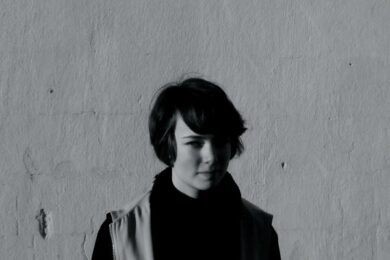
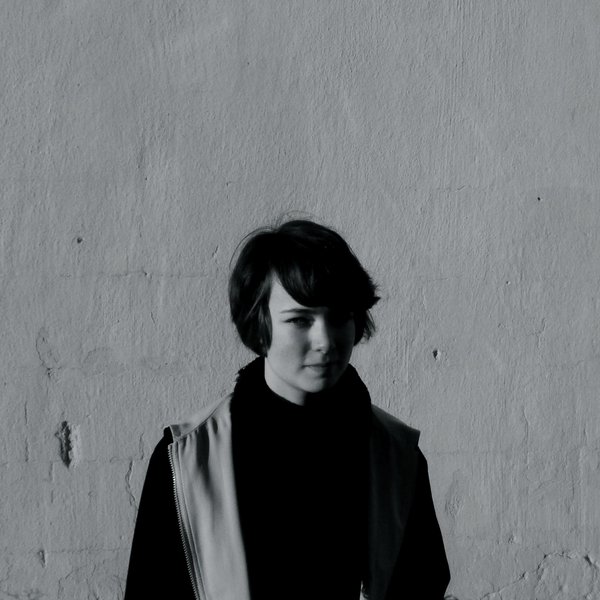
It’s hard to deny your expectations when listening to new material by an artist, particularly one as lauded as Klara Lewis. While her dad’s fame (Graham Lewis of Wire) may have sparked discussion about her debut Ett, it’s solely Klara’s reputation that has fuelled the hype for her second album. Her knack for combining found sounds with contemporary beats and careful balance of experimentation and restraint originally marked her out as something special, and thankfully she doesn’t disappoint on Too.
Too is the first release from Lewis since her EP Msuic (which came out on Peder Mannerfelt Produktion in late 2014). It signals a return to Editions Mego, the much-eulogised label born from Vienna’s early-90s techno scene, and there are nods to the genre throughout. ‘View’, the album opener, sets an immediate sonic precedent with its uncomplicated structure, texture-rich sounds and ritualistic beat. While a lot less foreboding, it’s as commanding a start as ‘Consumed’ on Haxan Cloak’s Excavation, where the encompassing unease that sets in halfway through both unnerves and compels you to listen on.
What follows is a cinematic journey through Klara’s own experience with you at the heart of it. Too is introspective to the point of internalised, as much a refuge as it is a source of discomfort. In the title-track, human voices drift in and out as muffled distortions as a low-end pulse sludges forward. In ‘Else’, a heartbeat reverberates as though in the womb. Percussive passages ebb in and out throughout the album but never long enough to form an attachment to: rather than allowing the hypnotic loops of the tracks to continue, she holds you in a perpetual state of alertness, never quite allowing you to lose focus.
At times, it seems as though a synchronicity between the outside and inner-self has been found. But unexpectedly, confusion and fear seem to blur out reality once more. Beats die out, songs end abruptly, frequencies rise uncomfortably higher, sounds become shriller and less harmonious. Light, colour and clarity appear before subtly disappearing and leaving confusion and uncertainty as the remaining impression.
The final track ‘Us’ opens with cheers and applause as though congratulating Klara or/and the listener for making it to the other side. It’s by far the most optimistic track on the album, and stand-alone perhaps wouldn’t have the same impact, but it feels appropriate following the journey it has taken to get there. There’s something very relatable about inner struggle within an abstract world, regardless of what the cause for that struggle is. The sonic palette itself in ‘Us’ is not all too different to the rest of the album, but human voices break through the distortion and melodies and rhythms are given space to develop. Breaks in form fit much more comfortably within its relative predictability.
While Ett introduced us to Klara’s external world, Too is more reflective. Klara excels at recording the real world, deconstructing it, abstracting it and then reconstructing it in a way that reveals more about ourselves. The world she creates is both familiar and alien, real and interpreted. As with Ett and Msuic, Too is a great display of musicianship and self-control. Her fearless experimentation and determination to occupy the space between sound and music perpetually excite, but it’s her understanding of personal perception and feeling – and confidence in playing with that with such subtlety – that elevates this album to another level.