

6. The ClashThe Clash
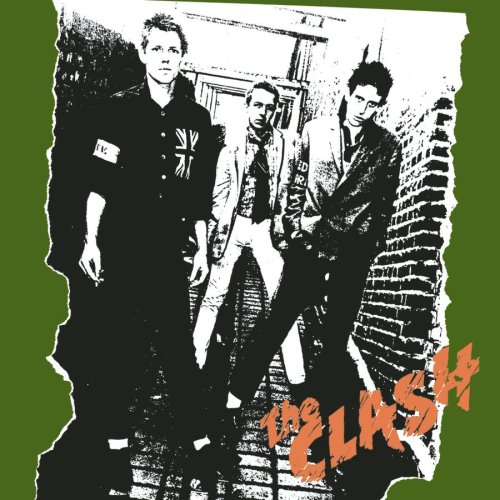
I wasn’t really a punk. I was about 16 when that album came out. But I was living above Maples, a carpet shop near Tottenham Court Road, and it was right by Capital Radio, and I remember suddenly these 14-foot letters appeared in spraypaint on Capital‘s windows, ‘THE CLASH’! And there was a thing in Melody Maker, where I heard about this club called The Roxy at Covent Garden, so I went down there. Me and my friends already looked a bit skinhead-y, suedehead-y, and I had this mohair suit, but the connection was that the punks had straight trousers in this world of flares and Kevin Keegan hairdos. Nobody was wearing Vivienne Westwood clothing: there was a guy in a dinner jacket painted pink, and someone else in a boiler suit they’d made themselves, and it was really DIY. The tribalism between mods and skinheads and punks hadn’t really started at that time, and it hadn‘t fractured into a million pieces yet. In 1977, if you had short hair, and you were prepared to have someone call you a fucking cunt in your ear for it, you were in. I saw a band called Eater at the Roxy, whose average age I later found out was 14. And I first heard The Clash’s ‘1977’ and ‘White Riot’ on record there. I felt like I was at the advent of something new. I liked punk, and I liked the attitude, but by 1978 we had our own thing going. But I always had a soft spot for The Clash, because they had the reggae thing, like us, and there was a bit of soul in their music, for want of a better word. Joe Strummer definitely had a bit of soul in his voice. Every fucking track on that album’s brilliant, but my favourite’s ‘London’s Burning’. And they were fucking brilliant live. And we [2 Tone bands] wouldn’t have had anywhere to play if it wasn’t for punk. You had pub rock informing punk, and punk informing us, and The Specials were a direct amalgam of punk and ska, and we realised that the faster we played, the more likely we could get the crowd jumping up and down, which was a legacy of punk. All these different movements, fracturing then coming back together. You’d need 60,000 sociologists to untangle those couple of years.