

Greetings metal maniacs, and welcome to yet another jam-packed edition of Columnicus Metallicus. As much as I’d love to waste several introductory paragraphs waffling away at you all, we’ve got a lot to get through this month; after the traditional January release schedule slump, February has sharply picked up the pace.
Elsewhere on this fine and upstanding site, you’ll find reviews of the excellent new Sightless Pit album, a dark and foreboding affair from Lingua Ignota and members of The Body and Full Of Hell, and the confused but fairly interesting new opus from Sepultura.
But that’s only scratching the surface of this month’s barrage of new metal, which includes the weird (OvO, Beehover, Faustian Pact), the wonderful (Turia, Fluisteraars, Panopticon) and the woeful (ahem, Ozzy Osbourne). So without further ado…
Ozzy Osbourne – Ordinary Man
(Sony)
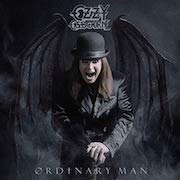
First of all, let’s just acknowledge how miraculous it is that a new Ozzy record even exists in the first place in 2020. With Oz cancelling tours and battling no end of health conditions of late, and with a whole decade having passed since his last release, 2010’s patchy, underwhelming Scream, the odds of Birmingham’s metal pioneer returning with another brand new full-length were starting to look slimmer by the day. But whilst it’s no doubt impressive that Ordinary Man exists, whether it should is another matter entirely, and one that the album doesn’t really make a convincing case for.
For one, this is hands down the worst sounding album Ozzy has ever been a part of. After teaming up with guitarist/producer Andrew Watt in the wake of his unlikely collaboration with Post Malone (the guy who rose to prominence co-opting hip-hop culture before inexplicably declaring the genre emotionally void and promptly pivoting to the sort of dreary, overly earnest butt rock that could have quite easily slipped in before Staind on an Ozzfest bill at the turn of the century – so maybe it’s not that unlikely a collaboration after all, huh?), Ordinary Man has been saddled with a horrendously sterile, overly processed sound, with the guitars buried beneath a dull digital hiss and Ozzy himself struggling to keep his head above the layers of autotune.
But, sonics aside, this album could have been a lot worse under the circumstances. Singles like ‘Straight To Hell’ and ‘Under The Graveyard’ are your generic Ozzy ear worms, and whilst they’re not likely to change your life, they at least present the bare minimum of what you’d expect from one of his solo records. Elsewhere, songs like ‘Goodbye’ and the self-consciously goofy ‘Eat Me’ hark back to the swaggering, stadium filling sleaze that made records like No More Tears so infectious, the former even containing the closest you’ll get to a moment of genuine spontaneity on a record this heavily focus-grouped into existence as Oz cackles, “Is it time for tea?”
Ok, maybe that’s not entirely fair – it’s good to hear Ozzy sounding like he’s actually having fun making a record for the first time in years, and he does sound like he’s having a ball throughout, especially on the bizarre ‘Scary Little Green Men’, a cautionary tale, apparently, about being eaten by aliens. Whilst it’s heartening to have some of Ozzy’s eccentricities shine through on a record this overproduced, it’s still one of the worst songs he’s officially released – or at least, it would be if it weren’t competing for that title with some of the other absolute howlers on here. The Elton John featuring title track continues the age old Ozzy tradition of having at least one completely useless, saccharine ballad on every album, whilst ‘Today Is The End’ aims for Black Sabbath’s ominous gloom but falls hilariously short with one of the flattest choruses in Ozzy’s oeuvre. Worse still, closer ‘It’s A Raid’ finds Ozzy enlisting Post Malone once again for a romp through some grotesque, sugar high pop punk that would have been deemed too tacky for even the Sonic Adventure soundtrack, and is every bit as bad as it sounds.
On the whole, Ordinary Man isn’t entirely without redeeming features, and there’s just about enough here to entertain lifelong fans. At the same time though, it is easily Ozzy’s worst record to date, and once the novelty factor wears off, there is absolutely no reason to pull this one off the shelf over Diary Of A Madman, No More Tears or, well, any of his other albums.
Raspberry Bulbs – Before The Age Of Mirrors
(Relapse)
New York’s Raspberry Bulbs return after a lengthy absence this month too, on the unlikely new home of Relapse Records. Originating as a solo project from Bone Awl drummer He Who Crushes Teeth (AKA Marco del Rio), Raspberry Bulbs has gradually morphed into a fully-fledged band, moving away from their raw black metal beginnings and evolving into more of a punky, garage rock band, albeit with a suitably blackened lo-fi aesthetic. This stuff still sounds cold, harsh and bleak, but songs like the trashy, swaggering ‘Midnight Lane’ have more in common with Dick Dale than Darkthrone.
Before The Age Of Mirrors very much follows in the same footsteps as its predecessor Privacy, even sticking to a similar structure with numerous eerie, ritualistic interludes breaking up the band’s raucous dirt punk and helping to build a genuinely unsettling and surreal atmosphere. Bouncy, oompah-laden tracks like ‘Missing Teeth’ and ‘Ultra Vires’ feel like classic Bulbs bangers, but there’s enough variation and fresh ideas here to prevent this feeling like a simple retread. Tracks like ‘Doggerel’, for example, plough into more mid-paced grooves with chilling effectiveness, whilst gristly closer ‘Given Over To History’ dishes out some of the most straight-up black metal riffing on the record, but rather than pairing it with blizzard like blasts, a sinister, steady stomp lends the track a far more desolate, skeletal feel. Before The Age Of Mirrors may not be Raspberry Bulbs’ most immediate or ferocious album, but it’s a great introduction to their idiosyncratic style for the uninitiated, and feels creepy and menacing enough to satiate anyone who wore out their copy of Privacy years ago too. It’s good to have them back.
Turia – Degen Van Licht
(Eisenwald)
If it’s more traditional black metal you’re looking for however, then fear not as we’re spoilt for choice this month. First up, we’ve got two fantastic records from the Netherlands’ fascinating contemporary black metal scene, with Nijmegen based trio Turia finally delivering their long-awaited third album after tiding us over with a series of splits. Degen Van Licht could be the most complete and well-realised example of the three-piece’s raw, minimal style to date, utilising just drums, vocals and guitar to create glacial swathes of chilling atmospheric black metal. Despite the stripped back approach, this album features a far more robust production than a lot of raw black metal, possessing a warmth and clarity that somehow doesn’t feel at odds with the frosty and unforgiving riffery on offer here. Despite (or perhaps because of) their modest sound palette, the band manage to keep things interesting throughout whilst retaining a hypnotic bloody mindedness that sucks you in deeper and deeper as the album progresses.
It’s easy to lose yourself in the dream-like, Velvet Cacoon-eque mist of songs like ‘Met Sterven Beboet’ or the harsh, sparse stomp of the title track. ‘Storm’ meanwhile, is straight out of the Transylvanian Hunger school of minimalism, allowing winding melodies to evolve very subtly atop infinite blastbeats, whilst twelve minute closer ‘Ossifrage’ experiments with a more elaborate, dynamic song structure without losing any of that primal, hypnotic pull. It’s hardly reinventing the wheel, but there’s a genuine emotional resonance and otherworldly beauty to Degen Van Licht that elevates it above a lot of its peers. Perfect February listening, don’t miss out on this.
Fluisteraars – Bloem
(Eisenwald)
Fellow countrymen and split partners (if you missed out on Turia and these guys’ De Oord release in 2018, you’ll want to check that out immediately) Fluisteraars are back this month too with their third album, the pastoral, lilting and oddly beautiful Bloem. The band’s sound is similar to Turia’s in many ways, but has more of an experimental edge and, despite only being a two-piece, a fuller and more intricately textured approach. Opener ‘Tere Mur’ presents five no-nonsense minutes of melancholy, hypnotic black metal and kicks the record off in a solid if unsurprising fashion, but things get a lot more weirder from here on in.
‘Nasleep’ is absolutely blistering, whilst adding a strange, glitchy, cut up affect to the vocals, panning them left and right erratically and slicing them apart until they sound more like a malfunctioning android than an actual human being. There’s something very Boredoms about it, and it works fantastically without sounding too ham-fisted or weird for the sake of being weird. ‘Eeuwige Ram’ and ‘Vlek’ delve even further into morose, forlorn territory, adding a bit of a post-rock flavour without leaning too heavily on the old “quietLOUDquietLOUD” formula, before ‘Maaruine’ ends the album on a curiously upbeat note, with stirring tremolo licks, distant yet robust chants, neo-folk strumming and even a wistful trumpet all coalescing to create a really immersive and evocative piece of music pitched somewhere between Agalloch’s The Mantle and Miles Davis’ Sketches Of Spain.Bloem is an inventive, unique and organic slice of atmospheric black metal that comes recommended even to those who don’t usually dabble in this genre.
Panopticon / Aerial Ruin – Split
(Bindrune)
&
Panopticon / Nechochwen – Split
(Bindrune)
Speaking of great black metal splits, Kentucky’s ever prolific one-man black metal outfit Panopticon (AKA Austin Lunn) has graced us with not one, but two new splits this month, each focussing on a different aspect of the project’s unique personality. The first finds Lunn delving deeper into his love of bluegrass, alongside Erik Moggridge’s Aerial Ruin. Keen-eared doom fans will recognise Moggridge’s haunting, ethereal voice from his guest appearances on all of Bell Witch’s full-length albums so far, and whilst his solo acoustic output might not be as sonically crushing, it’s just as captivating, heartfelt and powerful. The wistful, nostalgic feel of songs like ‘Sanguine Of Ail’ and ‘The Sea Is Now Steam In Mist Of A Scream’ are eerily similar to early Red House Painters, whilst more upbeat (relatively speaking, of course) numbers like ‘Lesser The Blade’ are a great showcase for both Moggridge’s range and song-writing chops. Panopticon, meanwhile, offers up covers of country singers like Blaze Foley and Chris Knight in addition to two originals, which are even more beautiful than the acoustic material on his last album The Scars Of Man On The Once Nameless Wilderness, thanks in no small part to the sombre, sublimely understated cello, courtesy of Patrick Urban of German black metallers Dämmerfarben.
If you’re after Panopticon’s more metal side though, then his split with Nechochwen delivers in spades. ‘Rune’s Heart’ is an intensely personal twenty minute epic written as a letter to his youngest son Rune, who has recently been battling a rare heart condition, with a portion of the profits being donated back to the children’s hospital heart unit that helped saved his life. After kicking off with some trademark blackened blasting, the song suddenly and unexpectedly cuts to a volley of wonky, head-spinning Voivod-ian riffery, dishing out dissonant thrashy chords before storming headfirst through swatches of triumphant melo-death licks peppered with some of Lunn’s cleanest, most harmonious sweep picking yet, conjuring up a sound somewhere between old At The Gates and Necrophagist. It’s a testament to Lunn’s inventiveness and skill as a songwriter that all these disparate influences come together so organically and effectively, proving beyond all doubt that Panopticon is far from just another bog-standard atmospheric black metal act. On the other side, fellow US duo Nechochwen offer more of a mixed bag, but are still definitely worth checking out. The band fuse their melodic black metal with strands of Native American folk music, in a similar fashion to how Panopticon implements bluegrass elements, but Nechochwen definitely sound more comfortable on the longer, more metallic cuts like the furious ‘The Megalith’ than they do on folkier pieces like clumsy opener ‘Of Wisdom And Prophecy’ – although the morose ‘The Mingling Waters’ effectively builds from gentle, meditative strumming to a convincingly doomy, imposing finale. Whilst they don’t come close to beating Panopticon at his own game, there’s still plenty to enjoy here for fans of this distinctive brand of American black metal.
Cult Of Fire – Moksha
(Beyond Eyes)
&
Cult Of Fire – Nirvana
(Beyond Eyes)
Panopticon may have returned with two splits this month, but Czech black metal Cult Of Fire have gone one better and delivered two full-length albums, their first full-length material in seven years. The band are well known for their fixation on Hindi mythology and religious aesthetic that does away with the standard Satanic clichés of the genre, but despite the psychedelic nature of their artwork, their sound is much more traditional and melodic than you might expect at first glance. There are enough creative flourishes and little nuggets of unorthodoxy sprinkled in to separate them from the pack of course, and they certainly have their own distinct personality, but their approach isn’t quite as conceptual or “out there" as other ritualistic act like, say, Batushka. Moksha, the first of the two new albums, is probably the most the band have indulged their more ambient and avant-garde tendencies to date, but even then these are tethered to a backbone of bristling, vicious black metal – for example, after an obscure rhythmic introduction that sounds like a field recording taken directly from a holy temple, opener ‘Zrození Výjimečného’ explodes in a colourful burst of melodic, windswept riffage. ‘(ne)Čistý’ pairs a blistering, razor sharp Dissection style assault with subtly implemented sitar swells, whilst ‘Har Har Mahadev’ breaks from crystalline, forlorn lead lines and even the record’s immaculate production to dive into barbaric, primitive and extremely murky bludgeoning, sort of like Beherit drunkely bursting into a Drudkh practice and pelting them with rotten fruit.
Nirvana, meanwhile, is an even darker affair, allowing the band to emphasise their more melancholic moments over the course of five lengthy pieces. The record begins on an ominous drone, before unleashing a laser focussed cacophony of blastbeats and sinister chanted vocals. ‘Buddha 3’ eases off slightly on the ferocity of Moksha and focusses more on yearning, sorrowful guitar harmonies and more dynamic rhythmic patterns, with an almost post-punk sensibility at times. ‘Buddha 5’ closes the record in a dramatic note, as swirling, overblown orchestral elements brush up against the band’s jet black guitar lines in thrilling fashion. Both these records are satisfying, well-rounded listening experiences in their own right, but when combined form an imposingly massive and almost transcendental new entity that’s likely to please black metal traditionalists just as much as open-minded prog nerds.
OvO – Miasma
(Artoffact)
Italy’s most unique duo OvO are celebrating their twentieth anniversary this year, a full two decades of smashing together sludge metal, industrial noise, dark electronica and whatever else they can consume into their psychedelic, mutant approach to extreme metal. Whilst that electronic element has always underpinned their music, Miasma is perhaps their most overtly electronic offering yet, with harsh, pounding tracks like ‘You Living Lie’ and ‘Sicosi’ fusing undulating techno beats with devastating doom riffs and inhuman shrieks in a similar manner to The Body’s modern day classic No One Deserves Happiness. Always a band to embody and embrace contradictions however, Miasma also features some of the most immediate, visceral and live sounding material the pair have ever produced, with songs like ferocious opener ‘Mary Die’ approaching grindcore levels of intensity with frantic, extremely harsh guitar textures, brutalist syncopated rhythms and absolutely feral vocals. ‘Incubo’s collision of caveman riffs with searing digital noise feels like an anarchic blend of Hellhammer and Atari Teenage Riot, whilst tracks like ‘Lue’ and the thoroughly frightening title track are more spacious, allowing the band’s oft-cited Diamanda Galás influence to come to the fore as alternately heavenly and distressing vocal emanations echo out against vast walls of reverb.
There are a number of unexpected but extremely effective guest performances here too, with Årabrot frontman Kjetil Nernes’ unmistakably sinister vocals lending Lynchian fever dream ‘L’eremita’ an extremely disquieting cinematic feel. Fellow Italian noise mongers Holiday Inn add some head-spinning textures to the militant thud of ‘Burn De Haus’, but more surprising is the inclusion of DIY Balkan futurist Gnučči, as her brash, sassy rapping suddenly appears out of nowhere on ‘Testing My Poise’s abrasive, jet black filth like Gnaw Their Tongues and M.I.A. making out in the back of a dimly lit Berlin squat rave. After twenty years together, it’s amazing that OvO can continue to confound expectations and sound this genuinely wild and unhinged, as Miasma surely ranks up there as one of their most intense, inventive and downright weirdest releases yet.
Beehoover – Low Performer
(Self-released)
It’s been a good month for oddball doom duos, with Germany’s Beehoover also unleashing their seventh full-length Low Performer, which ironically enough is anything but. Having been dishing out weird, angular and inventive sludgy riffery for the best part of fifteen years, it’s a wonder Beehoover aren’t a household name by now – but then maybe that’s because the band’s distinctive bass and drums sound doesn’t really sit that comfortably in any genre bracket, with bassist Ingmar’s histrionic wailing vocals giving the band a uniquely bizarre sound that is all their own. It’s almost like a blend of the Melvins’ wry sense of humour, Magma’s joyous otherness and the theatrical portentousness of Spain’s Orthodox, but even that doesn’t quite capture it.
Low Performer doesn’t present any huge stylistic departures for the band, but it is an immensely satisfying summarisation of their long and storied career. The album’s front end wastes no time in dishing out huge, planet shaking riffs, with opener ‘Goreplay’ riding the kind of infectious groove that’s impossible not to nod along to, and ‘Weisenheimer Blues’ stretching lackadaisical desert rock rhythms into a surreal, minimalist soundscape. The album’s latter half finds the duo stretching their prog muscle however, with songs like the dynamic eight minute ‘Fisherman’ feeling more like a heavily sedated Primus trying to keep their balance on a particularly turbulent ferry, whilst reverb swamped closer ‘Hell Is Paradise’ is one of the most layered and atmospheric pieces the pair have put together yet, recalling Om’s meditative haze before exploding into an awkward but hugely powerful groove, with Ingmar belting out ultra harsh screams alongside his usual croon and Claus battering his kit in an immensely expressive manner. All in all, this is another prime slice of bizarre Beehoover goodness that’s sure to satiate curious newcomers and fried old heads alike.
Gnaw – Barking Orders
(Sleeping Giant Glossolalia/SGG Records)
On the subject of perpetually underrated and gloriously weird metal bands, I’m still amazed more people aren’t losing their shit over Gnaw. Formed by one of metal’s most genuinely terrifying vocalists, Alan Dubin, after the dissolution of Khanate back in 2006, comparisons to his old band are perhaps inevitable, but aside from Dubin’s paint stripping screech, Gnaw are a very different proposition in many ways. They’re a lot more rhythmic for starters, especially on this latest EP; whereas Khanate’s sense of rhythm was much more free-form and abstract, even the sparsest moments on Barking Orders are still tethered to a pounding, authoritative pulse. The cover of Einsturzende Neubauten’s ‘Kollaps’ is probably the riffiest recording Dubin has been involved in for years too, built around a taut, repetitive guitar passage that drills incessantly into your brain as piercing electronics explode around it. Tracks like ‘Cry Louder’ and ‘Then The Sunrise’ delve into even more industrial territory, reminiscent of Godflesh in places but with much less of an emphasis on low-end and far more on spacious drones and grating, trebly scree. It’s a bracing, abrasive listen, and at just under half an hour, just long enough to tide the faithful over to the next full-length release and palatable enough to serve as a great introduction for anyone who hasn’t yet had the bejesus scared out of them by one of Dubin’s projects.
Invocation – Attunement To Death
(Iron Bonehead)
Chile has a reputation for cultivating particularly feral sounding metal bands, and up-and-coming trio Invocation are no exception. Rather than mining the same vicious thrash-based assault as countrymen like Pentagram or Torturer however, Invocation specialise in a murky kind of occult, cavernous death metal, more in tune with the likes of Incantation or Dead Congregation, but with a confidently old-school aesthetic.
This debut album has a really gritty, organic feel to it, boasting a production that manages to sound raw and ominous whilst also being crystal clear, allowing each instrument to punch through and really highlighting the inventiveness of some of these riffs – check out the bizarre choppy chords in ‘The First Mirror’, which lock into a genuinely disorientating groove midway through. The vocals are hoarse and deep, but perhaps raspier than a lot of other acts playing this style of death metal, and lend the album a much more ferocious and energetic voice than your standard non-descript guttural rumbles. The band sound just at home on the album’s longer, more involved cuts like ‘Secret Tongues’ or labyrinthine centrepiece ‘Divine Transition’ as they do on more straight-forward, blastier cuts like ‘The Officiants’ or barnstorming opener ‘Flying Ointments’. Attunement To Death won’t present any real surprises for those already down with this style of death metal, but it’s both a highly proficient and immediately gratifying example of the genre and a hugely promising start for Invocation. If you like evil, esoteric death metal but find yourself turned off by excessively murky production, then this is the album for you.
Faustian Pact – Outojen Tornien Varjoissa
(Werewolf)
After releasing a trilogy of demos between 2008 and 2010, Finnish black metal trio Faustian Pact promptly disappeared for the following decade before resurfacing earlier this month with this, their debut full-length. The band slot right into that lineage of obscure, esoteric and defiantly weird Finnish black metal, with a vaguely Tolkien-esque olde worlde vibe and a slightly symphonic edge, albeit in that kind of cheap, charmingly home-made kind of way. Opener ‘Saastainen Valo Lintutornissa’ establishes this eccentric approach right from the off, with its cold, trebly tremolo riffs, fidgety blastbeats and blasphemous croaks accompanied by ethereal, almost operatic female vocals, wonky out-of-tune horns and quaint, chirpy keys. Admittedly, things do get very silly at times: ‘Valottomien Askelten Takana’, for example, kicks off with a deliciously evil and very minimal, very Finnish riff, before the track introduces strangely cheery synths that sound like they’ve been directly lifted from an old Final Fantasy game, and a big cheesy melodic chorus. Despite teetering on the edge of ridiculousness however, this album remains entertaining throughout, with just enough raw riffing power to compensate for the frequent pantomime-esque flights of fancy. Sometimes these really work too – closer ‘Viimeisen Tyrannin Silmä’ sounds like prime ‘90s Summoning played with the viciousness and drive of early Emperor, and it’s pretty potent indeed.
It’s tempting to say this is the kind of thing that you’ll either love or hate, but truthfully, I neither love nor hate it; the band’s eccentric persona can sometimes feel quite contrived or twee, occasionally sounding curiously (and presumably unintentionally) similar to legendary black metal parody act Vondur, but by the same token, this record has bags of personality and a unique, surreal character to it that you simply don’t get from your average bunch of po-faced Marduk clones. If you’re a fan of weird, wonky and downright strange black metal, then approach this with an open mind and you’ll find much to enjoy here.
Wrekmeister Harmonies – We Love To Look At The Carnage
(Thrill Jockey)
If you’ve made it through all the above racket, it’s probably time to give your war torn ears a well-earned rest with the gentle, subdued new album from Wrekmeister Harmonies. Having gained a reputation for their huge, ambitious ensemble recordings on their earlier albums, the project seems to have been gradually stripping down their sound ever since 2016’s Light Falls, focussing on the core duo of J.R. Robinson and Esther Shaw whilst toning down their epic, maximalist tendencies in favour of shorter, more traditional song structures. We Love To Look At The Carnage is probably their biggest leap towards this sombre, more introverted direction yet, a solemn, folky affair that was recorded in a cabin in the woods with only Thor Harris of Swans and Shearwater fame, Xiu Xiu’s Jamie Stewart and an ever present sense of existential dread for company. Robinson’s moribund baritone and Shaw’s heart wrenching violin lend songs like ‘Midnight To Six’ and ‘Coyotes Of Central Park’ a vibe similar to The Burning World era Swans, whilst on ‘The Rat Catcher’ Robinson sounds more like Nick Cave doing his best David Tibet impression, as the piece patiently builds from subtle chamber music beginnings into the heaviest and most enveloping drone on the whole album.
Indeed, that heaviness perhaps feels a bit under-utilised here, and it’s difficult not to miss that apocalyptic wall of sound that Wrekmeister Harmonies conjured in their early days sometimes. But at the same time, this is still a staggeringly mature, affecting record that’s confident enough to bide its time and let its sinister, understated sense of despair unfurl steadily and slowly, instead of blasting the listener with full-on sensory overload. It’s not the band’s best, but it’s a sterling addition to their discography nonetheless and a fascinating experience for the patient listener.